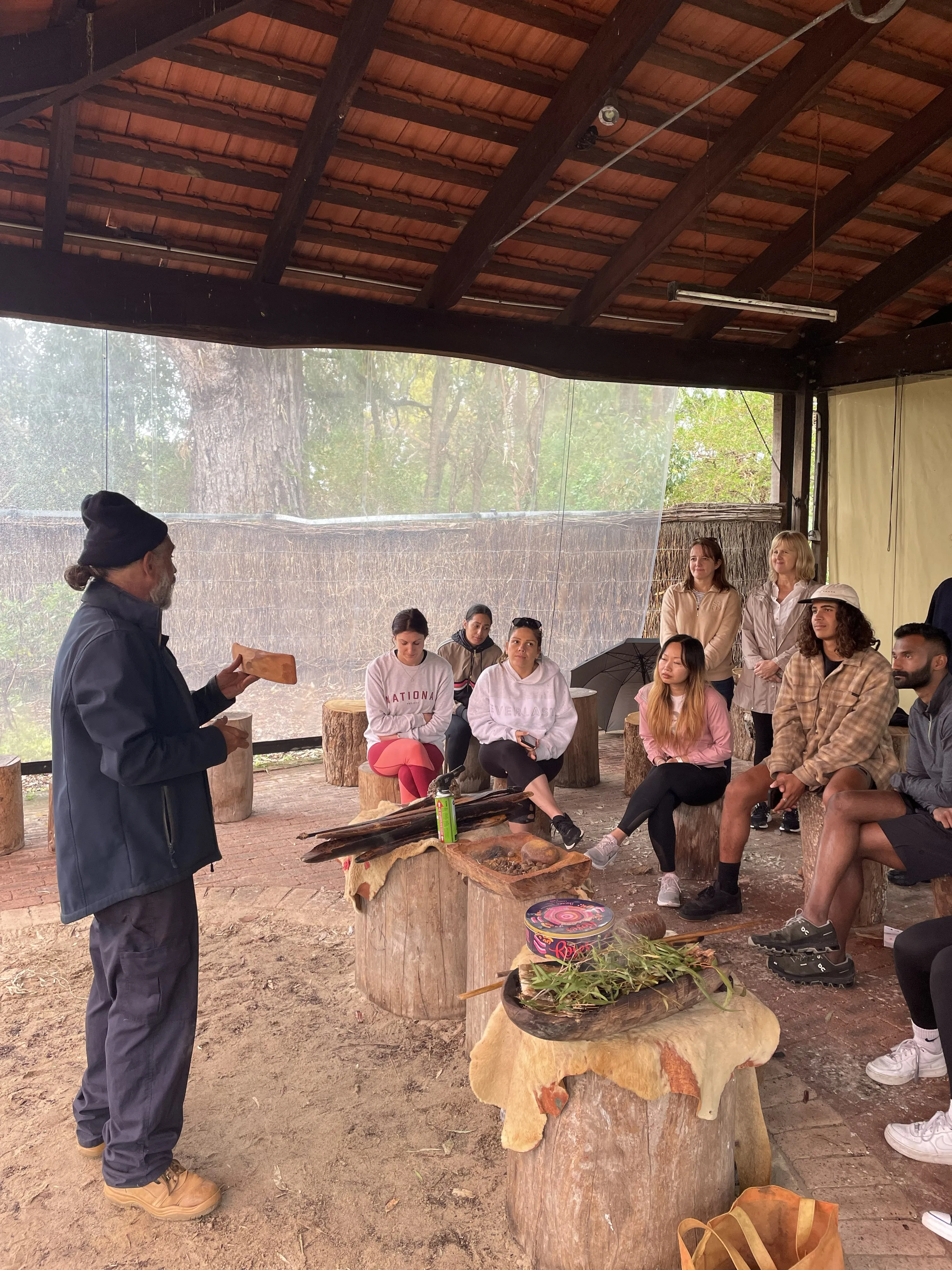
Aboriginal Experience at Yanchep National Park: Take part in cultural experiences led by noongar guides at Yanchep National Park.
Reconciliation is about strengthening relationships between Aboriginal and Torres Strait Islander peoples and non-Indigenous peoples. Learn more about reconciliation, the City’s commitments and actions, and what you can do to get involved.
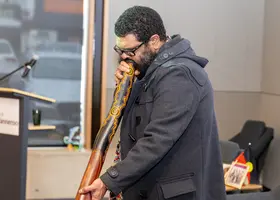
Reconciliation is an ongoing journey about strengthening relationships between Aboriginal and Torres Strait Islander peoples and the wider community, for the benefit of all Australians. It recognises the impact of non-Indigenous settlement of Australia and encourages positive action.
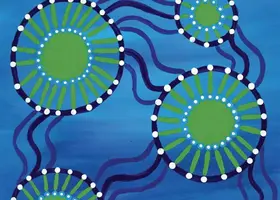
The City’s Reconciliation Action Plan (RAP) reflects our commitment to strengthening relationships, respect and opportunities for Aboriginal and Torres Strait Islander peoples.
Our fifth RAP was developed in collaboration with Ni Kadadjiny Koort Aboriginal and Torres Strait Islander Advisory Group, Reconciliation Australia, and the wider community.
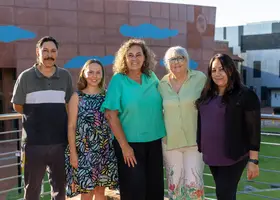
The City’s Aboriginal and Torres Strait Islander Advisory Group is called Ni Kadadjiny Koort, meaning listening, thinking and learning from the heart.
The group meets quarterly to provide local knowledge, input and guidance into the actions within the Reconciliation Action Plan (RAP) and helps us identify any issues affecting Aboriginal and Torres Strait Islander communities and cultures.
Below are some highlights of our reconciliation journey.
2010: Council supports the development of its first Reconciliation Action Plan (RAP).
2010: Council endorses its first Welcome to Country.
2011: Council appoints the City’s first RAP working group and elects Noongar Elder Oriel Green as Chairperson.
2011: The City holds its first smoking ceremony for the Swearing-in of Council Members.
2012: Council endorses the RAP 2012–2014 (Reflect).
2015: Council endorses the RAP 2015–2017 (Innovate).
2016: The City hosts its first on-Country training for employees.
2017: The City installs eight Wandjoo (welcome) entry statement signs featuring Noongar language.
2018: The City hosts the Wandjoo Festival celebrating Noongar heritage and culture.
2019: Council endorses the RAP 2018/9–2021/22 (Innovate).
2019: Waitj (emu) Dreaming Reserve is named using Noongar language
2019: The City commences the Aboriginal artefact repatriation project.
2020: The City employs its first Aboriginal Employment Advisor.
2020: The City endorses its first Aboriginal and Torres Strait Islander Employment Plan.
2020: The City installs its first public signage acknowledging the impact of development on cultural practice in Palladio Park, Clarkson.
2020: The City employs four officers under section 50(d) and 51 of the Equal Employment Opportunity Act 1984.
2021: The City employs its first Aboriginal Cadet Ranger, and its first Aboriginal trainee as part of the Public Sector Commission's Aboriginal Traineeship Program.
2021: The City commences its first organisation-wide cultural awareness training program.
2021: Wardaanup (place of the ocean) Park in Jindalee is named using Noongar language.
2022: The City names its Aboriginal and Torres Strait Community Reference Group, Ni Kadadjiny Koort, in Noongar language.
2022: A yarning circle is developed in Kalbarri Park in Yanchep in collaboration with Noongar consultants and Aboriginal students from Yanchep Secondary College.
2022: Council endorses the Noongar naming of Dordaak Kepap (the place of living waters), the proposed Landsdale library and youth innovation hub.
2022: The City is confirmed as a Host Employer for the Aboriginal Ranger Program.
2022: Council endorses its fourth RAP 2023–2025 (Innovate).
2023: The iconic yellow Wangara boomerang (kali) sculpture is revitalised in a collaborative Noongar design project involving local community members and artists. Wangara Kali is repainted with a fresh design by local Noongar artist, Courtney Hill.
2023: The City surpasses its Aboriginal and Torres Strait Islander employment target of 1.4%, achieving a strong outcome of 2.1%.
2024: Totem pole, originally carved by Bibbulmun Elder Ken Colbung, relocated to Yanchep National Park.
2024: Noongar Elder, Oriel Green OAM, appointed as the inaugural Holder of the Keys to the City of Wanneroo.
2024: Launch of new permanent exhibition in Wanneroo Regional Museum, ‘Welcome to Country’.
2025: Council endorses its fifth RAP 2025–2027 (Innovate).
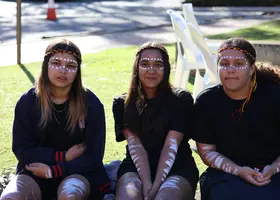
A Reconciliation Action Plan (RAP) gives an organisation a structured approach to contribute to the reconciliation journey and acknowledges the Traditional Owners of Australia. If your organisation is interested in starting a RAP, visit Reconciliation Australia to find out about your eligibility, the process and how to get started.
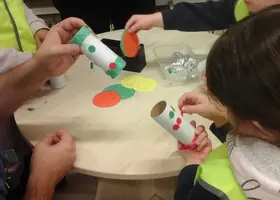
Reconciliation Australia has a RAP development process specifically designed for schools and early learning services through the Narragunnawali: Reconciliation in Education program.
The Narragunnawali program has free tools and resources and provides an evidence-based, guiding framework for educational institutions to drive reconciliation and foster intergenerational change in classrooms, around school,early learning service environments, and with communities.
For inspiration on how you can contribute, Reconciliation Australia offers a range of practical actions that individuals and communities can take to support reconciliation. These include:
Joining local reconciliation networks
Links to cultural awareness training
Resources to use in schools
Participate respectfully in truth-telling initiatives.
Visit Reconciliation Australian to find out how you can get involved in reconciliation.
Celebrate Aboriginal and Torres Strait Islander history and culture in your community with support from our Community Funding program.
Visit community funding for more information.
If you are running an event or meeting, you may wish to show your respect for Traditional Owners and the continuing connection of Aboriginal and Torres Strait Islander peoples to Country through an Acknowledgement of Country. It can be given by both non-Indigenous people and Aboriginal and Torres Strait Islander people, typically at the beginning of the occasion.
A Welcome to Country differs in that it must be delivered by an Aboriginal or Torres Strait Islander Elder from the Traditional Owners of the Country that the Welcome is being made for. It occurs at the beginning of an event and can take a variety of forms such as singing, dancing, smoking ceremonies or a speech.
The City of Wanneroo is on Whadjuk Noongar Country. You can learn more about Welcome to Country and Acknowledgement of Country on Noongar land by viewing the South West Aboriginal Land & Sea Council’s Noongar Protocols.
National Close the Gap Day gives people the opportunity to show their support for health equality between Aboriginal and Torres Strait Islander people and other Australians.
It’s a chance for organisations and communities to hold events and raise awareness of the Indigenous health crisis.
National Sorry Day offers the community the opportunity to acknowledge the impact of the policies spanning more than 150 years of forcible removal of Aboriginal and Torres Strait Islander children from their families.
The first National Sorry Day was held on 26 May 1998 following the Human Rights and Equal Opportunity Commission report, Bringing Them Home, which recommended that a national day of observance be declared.
National Reconciliation Week recognises the reconciliation journey and aims to strengthen relationships between Aboriginal and Torres Strait Islander peoples and non-Indigenous peoples by learning about shared histories, cultures and achievements, and to explore how each of us can contribute to achieving reconciliation.
Information about the City's Reconciliation Week events and programs will be available in the month prior to Reconciliation Week each year.
Mabo Day marks the anniversary of the High Court of Australia’s judgement in 1992 in the Mabo case. This is a day of significance for Aboriginal and Torres Strait Islander people because it dismissed the notion of Terra nullius – meaning land belonging to no-one.
The Mabo case started in the Queensland Supreme Court and progressed through to the High Court of Australia, running for 10 years. Following the Mabo decision, Australia’s Federal Parliament passed the Native Title Act 1993.
The 1st of July is a day of significance and celebration for a number of families and members of the Torres Strait Islander Community, representing a defining moment in the culture’s history when the missionaries landed in the Torres Strait.
Welcoming peace by ending violence, resolving conflict and forming relationships with the maritime industry to enable access to services that were previously unobtainable.
Today, celebrating Torres Strait Islanders, come together to honour and educate others to learn about Torres Strait Islander culture by hosting community gatherings performing historical re-enactments, singing and feasting using traditional customs.
NAIDOC Week celebrates and recognises the history, culture, and achievements of Aboriginal and Torres Strait Islander peoples. It provides an opportunity for all Australians to learn about First Nations cultures and histories and participate in celebrations of the oldest, continuous living cultures on earth.
NAIDOC stands for National Aborigines and Islanders Day Observance Committee. The Committee makes important decisions regarding national NAIDOC celebrations each year on behalf of all First Nations people.
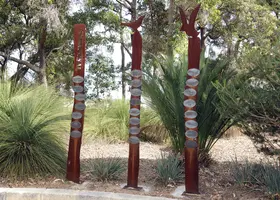
The City of Wanneroo celebrates Aboriginal culture by recognising the long history, living culture and continuing connection of Aboriginal people to this place.
Through public art, cultural experiences, heritage places and learning opportunities, the City supports understanding, respect and shared connection, and encourages ongoing conversations about reconciliation.
The City of Wanneroo is within Noongar Country, in the south west of Western Australia, from Esperance to Jurien Bay, and includes 14 different Noongar language groups.
Two Noongar language groups, the Whadjuk and Yued people, lived and shared cultural areas in the northern parts of the City of Wanneroo for traditions and customs. This region formed part of Mooro Country, the district of an important Whadjuk Noongar elder and leader, Yellagonga.
Water was vital for Yellagonga’s group for both survival and spiritual connections. With abundant food sourced from the shores of its lakes, Wanneroo was an important place for local Whadjuk Noongar families. People moved across the coastal sand plain in line with the six Noongar seasons, hunting and gathering as they went. Their deep understanding of the land and climate allowed them to live well on animals, fish, insects and plants.
Residents and visitors can learn more about Aboriginal culture, heritage and experiences through the following.
Aboriginal Experience at Yanchep National Park: Take part in cultural experiences led by noongar guides at Yanchep National Park.
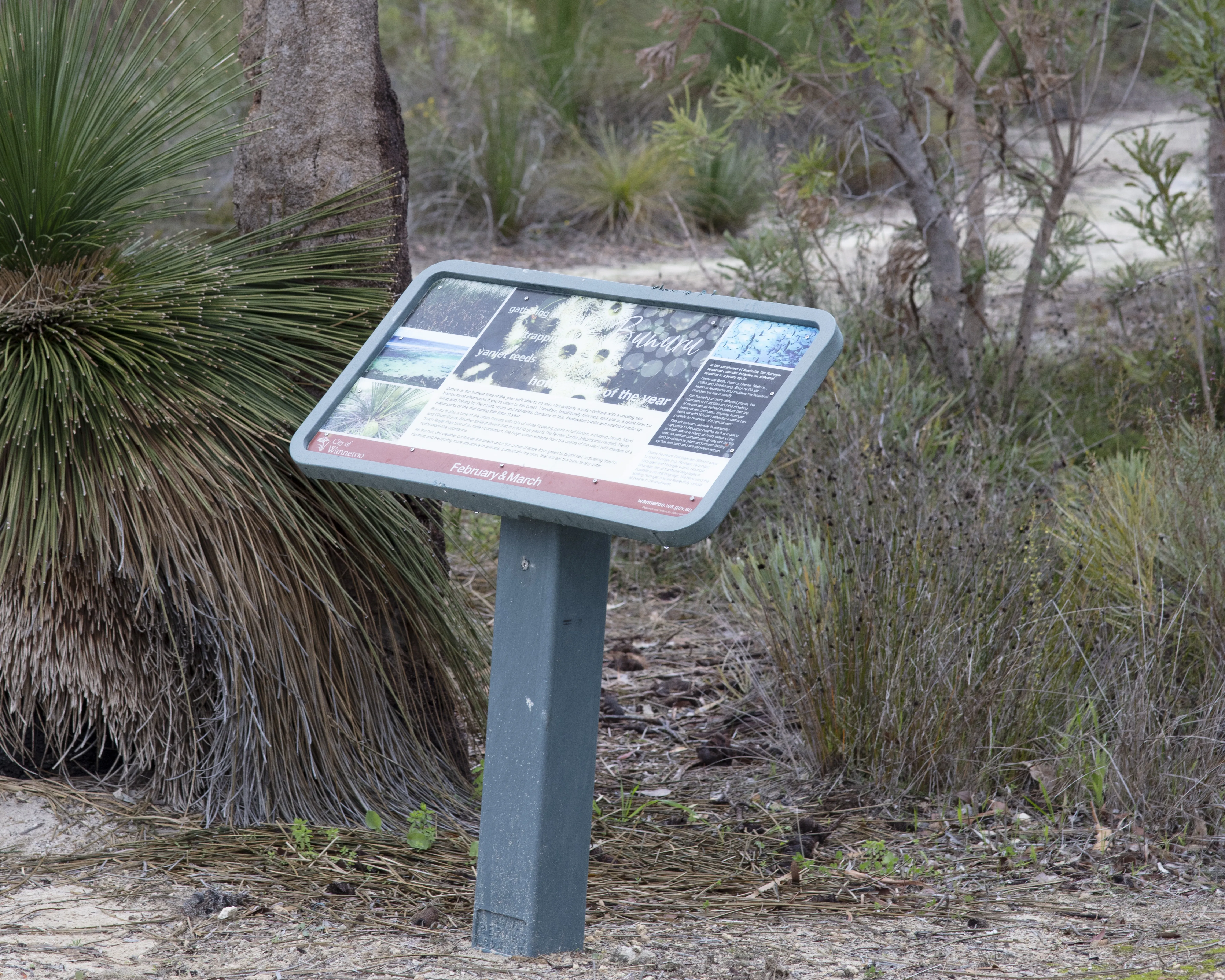
Noongar Six Seasons Walking Trails: Explore walking trails that reflect the six Noongar seasons and the deep relationship between people, land and climate.
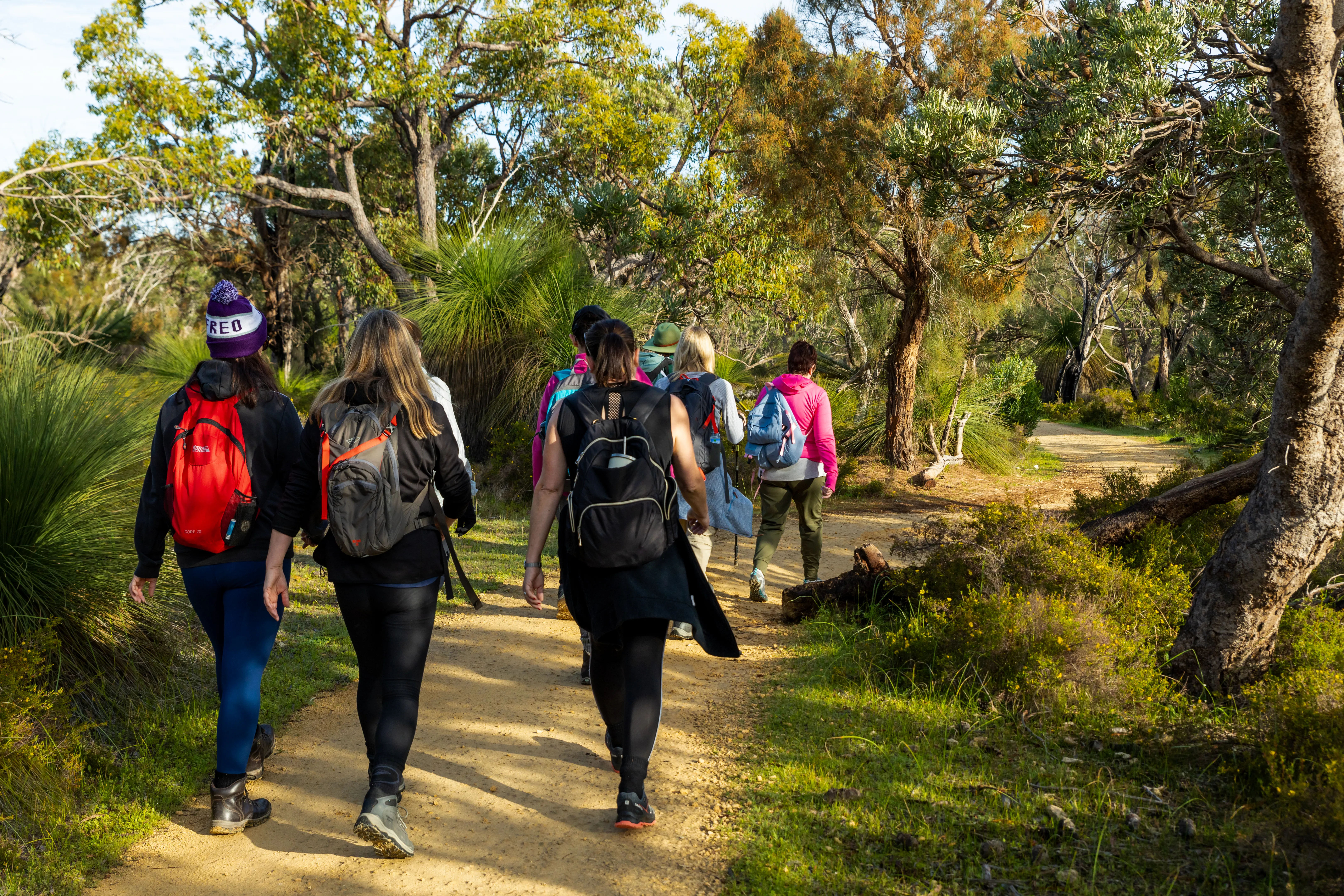
Yaberoo Budjara Heritage Trail: Walk an important cultural trail that connects Country, stories and places of significance.
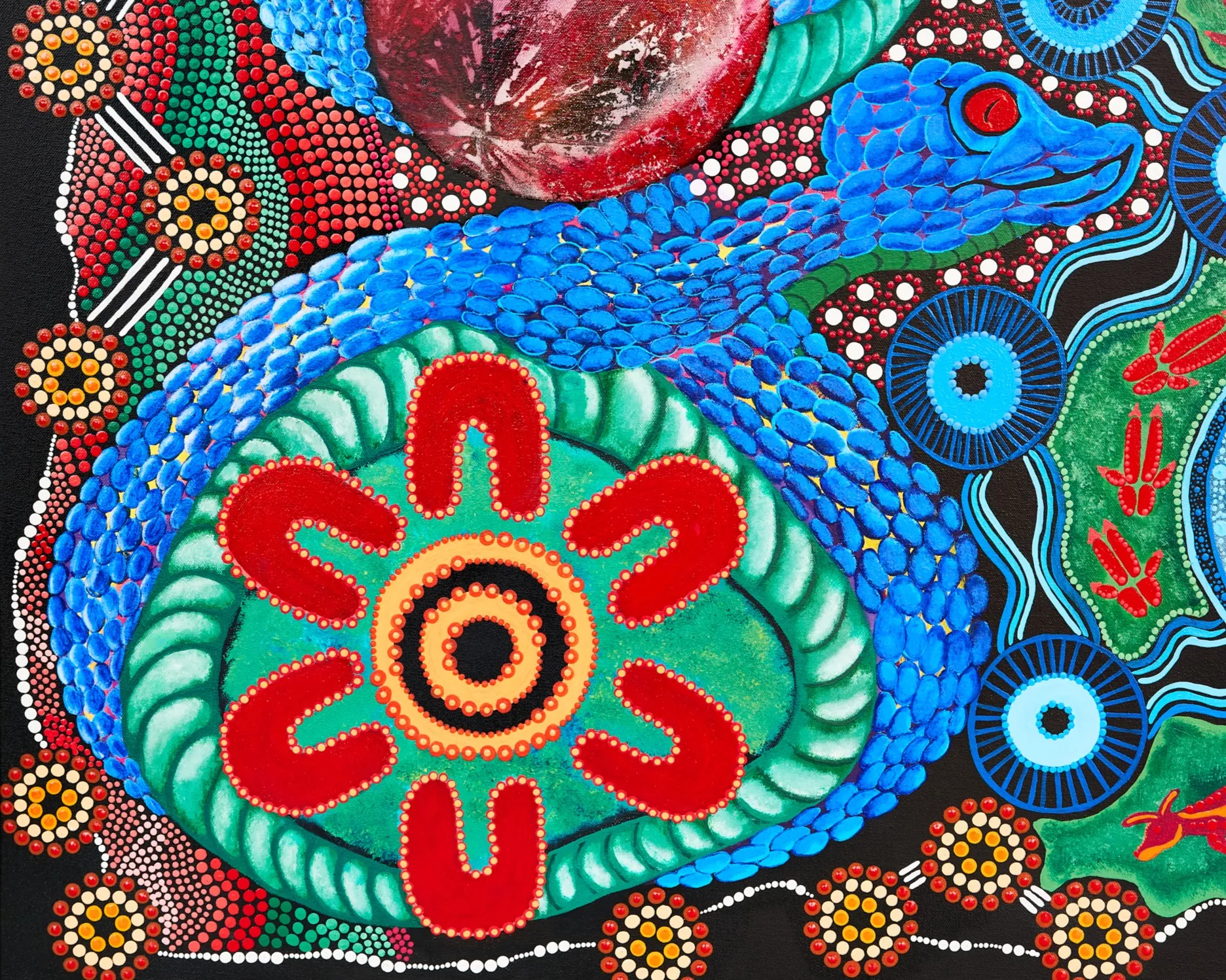
Aboriginal art collection: View Aboriginal artworks held within the City’s collection.
Stay up to date with the latest news and events in the City of Wanneroo.