Bushfires can occur in both rural and suburban areas of the City of Wanneroo. This page explains how to understand bushfire warnings, prepare your home and family, make an emergency plan, and stay informed during bushfire season.
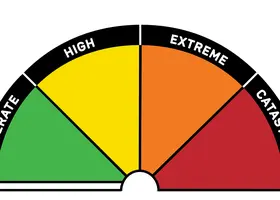
Fire danger ratings
Fire Danger Ratings provide daily advice on how dangerous a bushfire could be if it starts. They are displayed on roadside signs across the City and updated daily.
- Moderate rating means plan and prepare.
- High rating means be ready to act.
- Extreme rating means act immediately.
- Catastrophic rating means leave bushfire risk areas now.
Fire Danger Rating information boards
Fire Danger Rating information boards are located at:
Breakwater Drive, Two Rocks
Gnangara Road, Landsdale
Neaves Road, Pinjar
Neaves Road, Mariginiup
Two Rocks Road, Yanchep
Wanneroo Road, Neerabup
Wanneroo Road, Yanchep
Wanneroo Road, Carabooda
Wanneroo Road, Nowergup.
Alerts and warnings
There are three warning levels which move up and down to reflect the risk to your life or property before, during and after a bushfire.
A fire has started but there is no immediate danger. Stay alert and watch for signs of a fire.
Be aware and keep up to date.
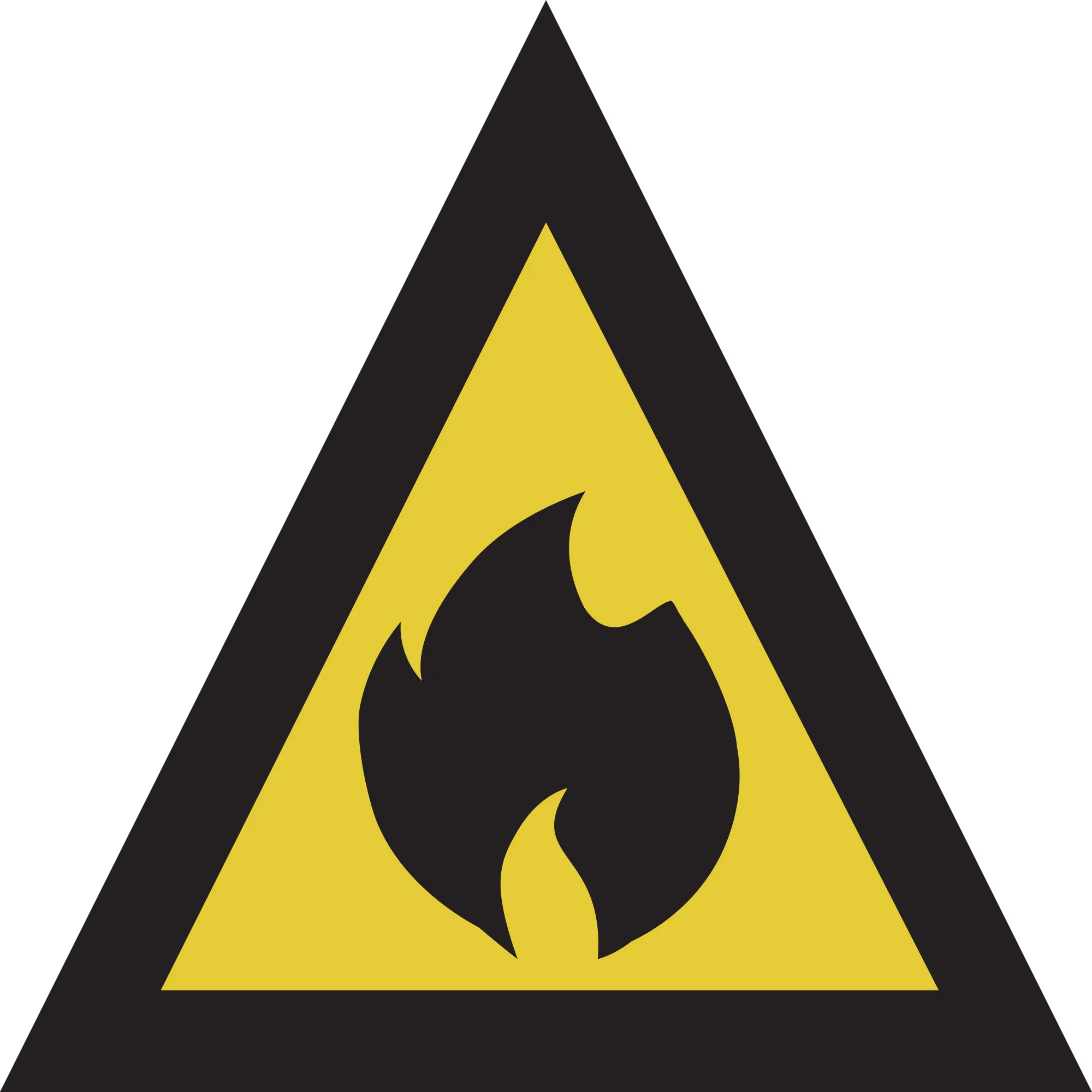
A fire is approaching and there is a possible threat to lives or homes. Put your plan into action. If your plan is to leave, make sure you leave early. If your plan is to stay, check all your equipment is ready.
Only stay and defend if you are mentally and physically prepared.
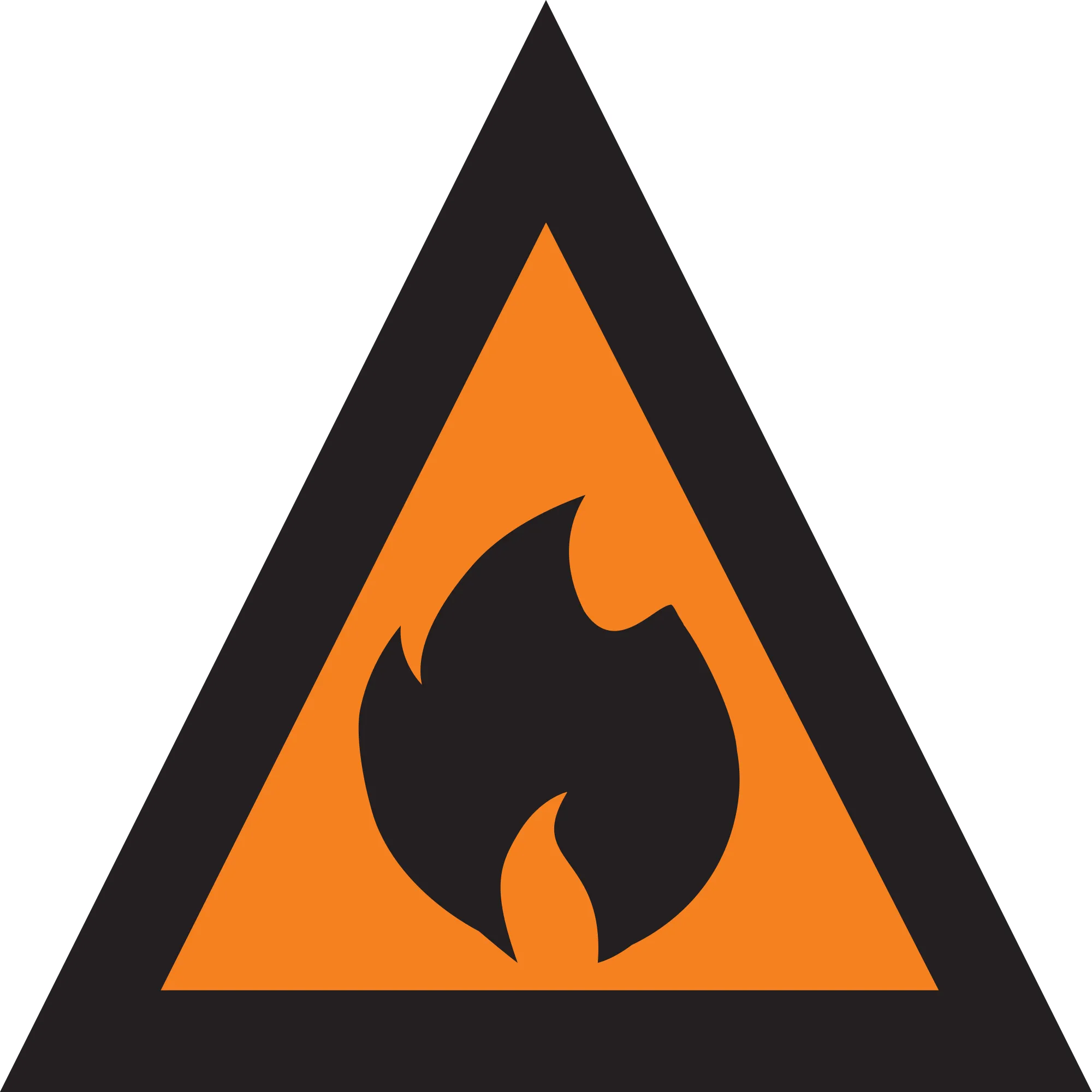
An out of control fire is approaching fast and you need to take immediate action to survive. If you haven’t prepared your home it is too late.
You must seek shelter or leave now if it is safe to do so.
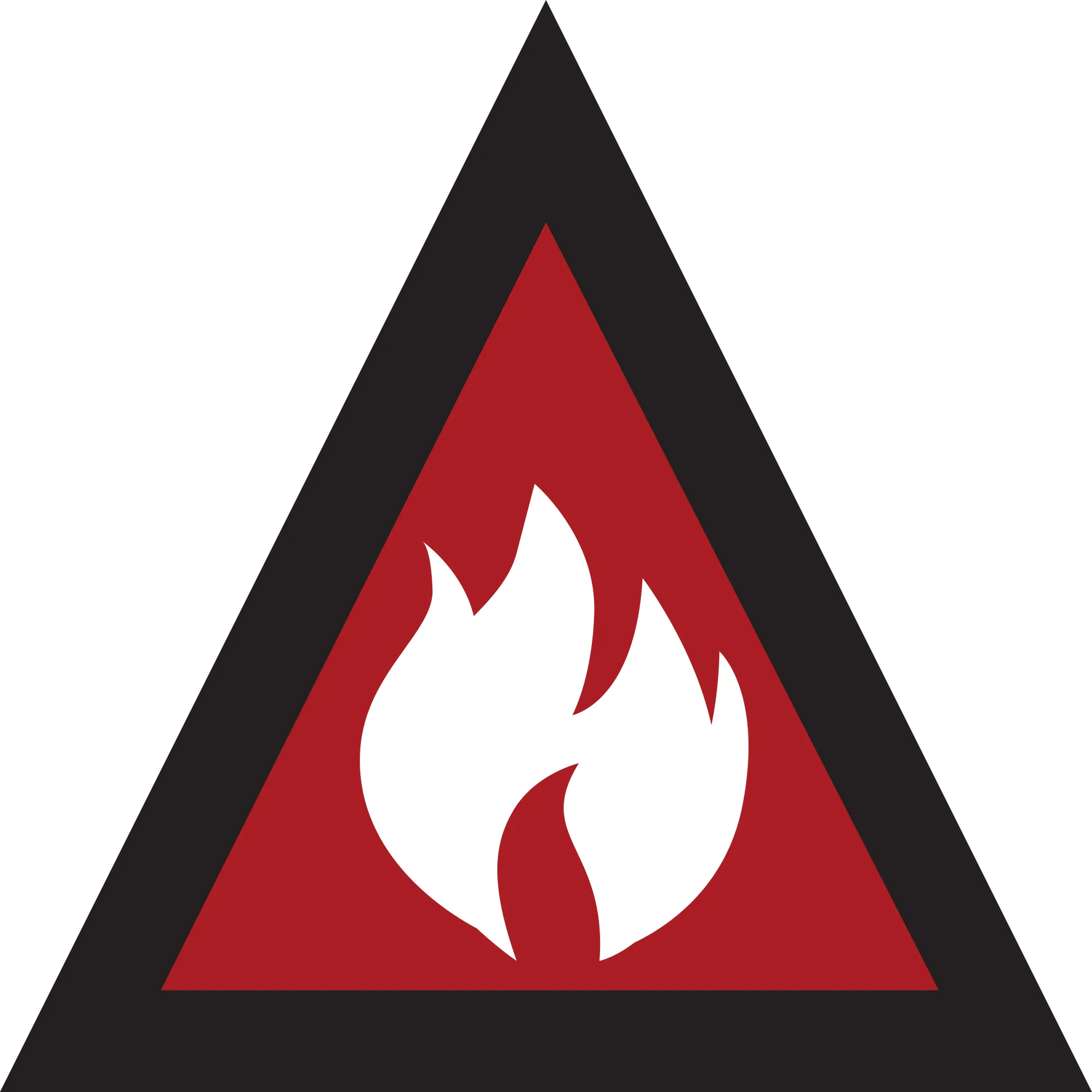
The warning level will be followed by an action statement such as “Prepare to evacuate” giving you clear instructions on how to stay safe.
Learning these three levels and how to respond to them could save your life.
For all current bushfire alerts and warnings visit Emergency WA.
To learn more about the alerts and warning system visit DFES.
Preparing an emergency plan and kit
Prepare for a bushfire now and keep yourself and your household safe by creating your emergency plan.
The emergency planning tool within Emergency WA provides you with one place to prepare, store, print, share and update your emergency plan any time, from any device.
Preparing an emergency kit increases your ability to act quickly and safely. Store it somewhere accessible and check it regularly.
Use the DFES Prepare your emergency kit guide for a full list of recommended items.
Preparing your home and property
A well-prepared property has a significantly better chance of surviving a bushfire. Firefighters may not be able to defend properties that are poorly prepared.
Under the Bush Fires Act 1954, all landowners, regardless of property size, must carry out fire mitigation works such as firebreaks.
Firebreaks must be installed by 1 November each year and maintained until 30 April.
To find out more visit the Firebreaks page.
Firefighters will be too busy fighting fires on the frontline to defend your home and property, so it is your responsibility to be prepared.
Top advice includes:
Keep grass short and dead vegetation cleared.
Clear leaves from gutters.
Prune trees away from the home.
Maintain reticulated green lawn where possible.
Download the DFES Property Preparation Checklist for more detailed guidance.

Preparing your pets and livestock
Pets and livestock also need to be included in your bushfire planning. Think ahead about how you will move them, where they will go, and what equipment or documentation you may need.
Including your animals in your emergency plan helps ensure you can act quickly and safely when needed.
Useful resources include:
In the event of a significant emergency, DPIRD may decide to activate the State Support Plan - Animal Welfare in Emergencies to help coordinate a State-level emergency response for all animals.
Staying informed
Throughout bushfire season, stay familiar with information sources before an emergency occurs.
The primary source for near-real time bushfire information:
Bushfire warnings and alerts
Fire danger ratings
Total fire bans
Prescribed burns.
Visit Emergency WA website or download the app from the App Store or Google Play.
ABC Radio (102.5FM) is the official emergency broadcaster.
Call 13 DFES (13 3337) for recorded local emergency information.
Neighbours, family and friends may alert you before official warnings are issued.
Stay aware of your surroundings – if you see or smell smoke and feel unsafe, act immediately.