
Storms are the most common natural hazard in Australia and can cause significant damage during winter. Find out how storms affect Western Australia, how to prepare, what to do during severe weather and where to get help if your home or property is damaged.
About storms in Western Australia
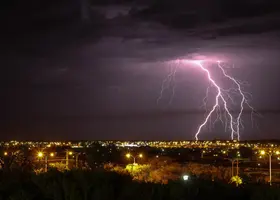
From May to October, southern Western Australia experiences dangerous storms, including tornados, thunderstorms, lightning, hail, flash flooding and gale-force winds.
These storms regularly cause major damage from Kalbarri to Israelite Bay, including:
Roof damage from loose or broken materials.
Fallen trees and branches.
Flooding caused by blocked gutters and drains.
Storms cause more damage in Australia than cyclones, earthquakes, floods and bushfires combined.
Safety and preparation
Before and during a storm, official warnings and emergency updates are available from:
TV and radio broadcasts I ABC Radio (102.5FM).
Bureau of Meteorology Information Line on 1300 659 210.
Department of Fire and Emergency Services Information Line on 13DFES (13 3337).
These sources provide the most accurate and up-to-date information on storm threats, road hazards and emergency instructions.
Most storm damage to homes occurs from loose roofing materials, fallen branches and flooding caused by blocked gutters.
To prepare your home and family:
Check roofs for loose tiles or sheeting.
Trim trees and branches that could fall during strong winds.
Clear gutters and downpipes to prevent flooding.
Secure outdoor items such as furniture, plant pots and tools.
Check that pets and animals have a safe place during storms.
For more detailed advice, visit:
The Department of Fire and Emergency Services (DFES) recommends the following actions during storm conditions:
If outside, find safe shelter away from trees, power lines, stormwater drains and streams.
Close curtains and blinds and stay inside away from windows.
Unplug electrical appliances and avoid landline telephones during lightning.
Leave the water immediately if boating, swimming or surfing.
Watch for road hazards such as fallen power lines, flooding and loose debris.
Keep away from flooded drains, rivers, streams and waterways.
Be cautious of fallen trees, damaged buildings and debris.
Treat all fallen power lines as live and extremely dangerous.
If your home or property has been damaged:
First, ensure it is safe to inspect the area.
Take photos of any damage before beginning repairs.
Contact your insurance company as early as possible.
If your home has significant damage, such as a badly damaged roof or flooding, call the State Emergency Service (SES) on 132 500.
For life-threatening emergencies call 000.
SES assistance is available for urgent repairs to make your home safe.