
Find out how the City manages feral rabbits, foxes and cats and how you can help keep your pets safe.
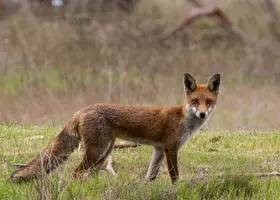
Foxes
Foxes are declared pests under the Biosecurity and Agriculture Management Act 2007. They prey on native wildlife and can contribute to erosion and habitat degradation.
The City manages fox numbers in selected conservation reserves using humane and approved methods. Soft foot-hold traps are used instead of 1080 bait, as 1080 is not suitable for urban and peri-urban areas. Traps are placed strategically, checked regularly, and warning signs are installed at reserve entry points while trapping is underway.
To help keep pets safe, the City advises dog owners to keep dogs on leads in conservation areas, and cat owners to keep cats at home, particularly where control activities are occurring.
Visit the Department of Biodiversity, Conservation and Attractions to learn more about the European fox.
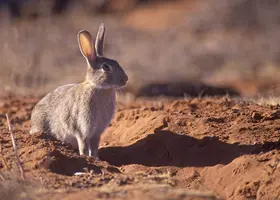
Rabbits
Rabbits cause extensive environmental damage by degrading bushland, causing erosion and competing with native animals for food and habitat.
The City does not use 1080 bait for rabbit control. Rabbit management may include the controlled release of Rabbit Haemorrhagic Disease Virus (RHDV), which affects rabbits only. RHDV is generally released in late spring and autumn and can significantly reduce rabbit numbers. Because the virus persists naturally in the environment, rabbit deaths may also occur outside scheduled control periods. The spread of RHDV is influenced by insect activity (particularly flies), weather conditions and time of day.
Pindone baiting and cage trapping may also be used in selected reserves when risks to non-target species can be minimised. Reserves are surveyed in advance, monitored throughout the program, and signposted where Pindone is in use.
Pet rabbit owners should ensure rabbits are vaccinated against RHDV and housed in insect-resistant hutches.
Visit the Department of Primary Industries and Regional Development to learn more about European rabbits.
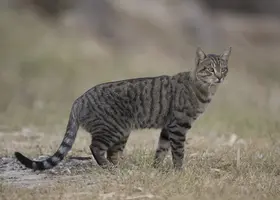
Stray and feral cats
Feral cats are declared pests under legislation and prey heavily on native wildlife. The City’s feral animal control program includes feral cats, with all activities carried out in accordance with humane and ethical requirements.
Residents can help protect wildlife and support the program by keeping domestic cats at home and ensuring they are microchipped and registered.
Visit the Department of Biodiversity, Conservation and Attractions to learn more about feral cats.