Learn how to help protect native wildlife, including what to do if you find sick or injured animals, how to stay safe during magpie nesting season and what to do if you see a snake.
Protecting our native animals
The City is home to a diverse range of native animals. With 32 km of coastal foreshore and more than 150 conservation reserves, important habitats support species such as quenda, western brush wallaby, possum, honey possum and western grey kangaroo.
To better understand local wildlife populations, the City’s Conservation Team and volunteers monitor reserves and foreshore areas using trail cameras and on-ground surveys. Recent sightings show the return of quenda, wallabies and kangaroos in areas where they had previously declined, reflecting the success of ongoing conservation efforts.
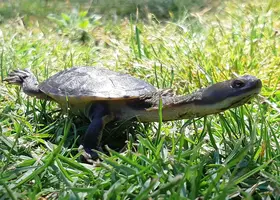
Southwestern snake-necked turtle
The southwestern snake-necked turtle is increasingly under threat in Yellagonga Regional Park and other wetlands across the City of Wanneroo. Major risks include road traffic and urban development, which often result in turtles being killed during nesting or when hatchlings move to water.
Predators such as foxes, cats, dogs and birds prey on eggs, hatchlings, and adults, while illegal poaching for the pet trade further impacts populations. Poor water quality from high nutrient levels and heavy metals also harms turtles, and climate change adds further pressure.
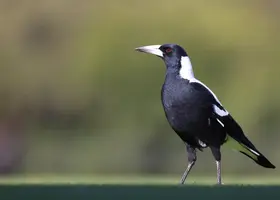
Magpies
Magpies are known for their distinctive songs and are generally tolerant of people, but a small number may swoop during nesting season (August to December).
To stay safe:
Avoid magpie nesting areas (about 100 metres radius)
Move confidently and quickly through nesting areas, but do not run
Wear a hat, sunglasses, or carry an umbrella for protection
If cycling, wear a helmet and dismount in nesting areas
Do not provoke or harass magpies.
If you have concerns about an aggressive magpie, contact the Wildcare Helpline.
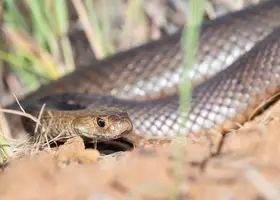
Snakes
Please note, that the City of Wanneroo Rangers are not authorised to handle snakes.
If you see a snake in your garden or house:
Do not corner or try to harm the snake (80% of bites occur when people try to kill snakes)
Contact a professional snake catcher to remove it
Keep the snake in sight until the handler arrives to ensure quick removal.
Protecting native wildlife
There are many ways you can help protect native wildlife:
Reporting quenda sightings: You can contribute to the recovery of quenda by reporting sightings to the City.
Create a wildlife habitat at home: Add native plants to your garden to attract birds, reptiles, amphibians, and insects.
Build nesting boxes: Provide a home for local birds or animals in your backyard.
Wildlife spotting: Visit nature reserves and national parks like Yellagonga Regional Park and Yanchep National Park to observe wildlife.
Manage your pets: Keep cats contained, dogs on a leash in wetlands and bushland areas, and drive carefully to protect wildlife.
Volunteer: Join up with wildlife conservation organisations like Friends of Yellagonga Regional Park and Woodvale Waters Friends of Beenyup Channel Group, or directly with the City.
Do not feed wildlife: See more information below.
Feeding wildlife
Feeding wildlife, even with good intentions, can cause harm. It may lead to:
Animals becoming dependent on people for food.
Health issues from unsuitable food, including deformities in birds fed bread.
Nutritional deficiencies (for example, raw meat lacks calcium).
Increased aggression and stress among animals.
Spread of disease in concentrated feeding areas.
Attraction of pests such as rodents.
Nature provides everything wildlife needs. Please avoid feeding wildlife.
Helping sick, injured or displaced wildlife
The Wildcare Helpline provides advice on what to do if you find injured, sick or displaced native animals.
Visit the Wildcare Helpline website for guidance.
When handling wildlife, take extreme care. Injured animals may be dehydrated, stressed or in shock.
Tips to keep wildlife safe
Handle the animal as little as possible.
Place the animal in a secure box lined with a towel or cloth.
Keep it warm (for example, a hot water bottle wrapped in a towel).
Keep it in a quiet, dark area.
Do not offer food or water.
For injured kangaroos, keep people well away from adult animals to reduce stress and prevent injury. Contact the Wildcare Helpline for assistance.
For assistance with an injured animal, visit the WA Wildlife website.