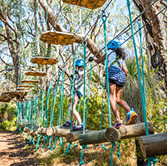
Find out how the City is working to protect our environment and learn practical ways you can reduce energy use, save water, cut waste and live more sustainably at home.
About sustainability
Sustainability means taking actions that protect our natural and built environment, reduce our impact on the climate and support the wellbeing of current and future generations.
For the City, this includes reducing emissions, using water responsibly, managing waste effectively, planning for climate risks and increasing tree canopy and green spaces.
For our community, it includes everyday choices that reduce energy use, save water, minimise waste, support biodiversity and make homes and businesses more comfortable and efficient.
What the City is doing
Sustainability in the City of Wanneroo is about managing energy, water, waste and natural resources wisely to protect the environment and support a healthy, resilient community. This work aligns with the priorities in the City’s Council Plan and is guided by the Environment and Sustainability Strategy. The City is taking action across several areas:
The Climate Change Adaptation and Mitigation Strategy guides how the City responds to climate risks such as rising temperatures, reduced rainfall, extreme weather events and coastal storm surges. The strategy sets carbon emissions reduction targets across energy use, transport and waste generation.
Key focus areas include:
- Reducing emissions from City facilities and operations.
- Improving energy efficiency.
- Reducing waste to landfill.
- Planning for hotter summers, storm impacts and sea level rise.
- Continuing community engagement and education.
The strategy was informed by community consultation, including a Youth Forum on Climate Change, which highlighted the importance of education, waste reduction and renewable energy.
The City is working to reduce its energy footprint by:
- Improving efficiency in buildings and facilities.
- Installing solar PV systems and efficient lighting.
- Managing energy use through smart technologies.
- Reducing fleet emissions through fuel efficiency and transition planning.
The City is a Gold Waterwise Council and participates in the Waterwise Council Program to improve water efficiency across facilities, parks and public open spaces. Actions include smart irrigation, waterwise landscaping and water-sensitive urban design in new development areas.
The City aims to reduce the amount of waste sent to landfill through waste education, kerbside services, recycling initiatives and the Waste Plan. Waste generation reduction targets support a long-term shift toward reuse, recycling and responsible disposal.
For more information on the City's waste services and initiatives visit waste and recycling.
To address the Urban Heat Island effect, the City has developed an Urban Forest Strategy and continues to expand tree planting across parks, verges and streetscapes. Each year, thousands of new trees are planted, and residents can request a free verge tree for their property.
The City is committed to fostering a thriving local economy that grows in harmony with our environment. Sustainable business practices protect our natural assets and strengthen long‑term economic resilience. By encouraging innovation and responsible resource use, we aim to create a future‑focused business environment where enterprises can prosper sustainably, helping shape a stronger and more competitive local economy for current and future generations.
As part of this commitment, the City champions the principles of the circular economy, supporting businesses to reduce waste, reuse materials and find value in new, more efficient ways of working. Sustainable local procurement is another key focus, with the City seeking opportunities to support local suppliers, foster local capability and build economic benefits within our community.
Environmental policies, strategies and plans
The City’s approach is supported by environmental strategies, plans and policies. View our environmental publications.
What you can do at home
You can support sustainability in the following ways:

Reduce energy home
- Choose energy-efficient appliances and lighting.
- Turn off appliances when not in use.
- Improve natural ventilation and shading.
- Adjust heating and cooling settings.
- Reduce hot water use.
- Use ceiling fans before air conditioning.
- Install solar panels or solar hot water.
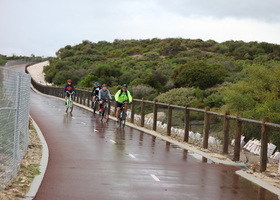
Reduce emissions from transport
- Walk, cycle or use public transport where possible.
- Car-pool or combine trips.
- Drive smoothly and avoid unnecessary idling.
- Maintain correct tyre pressure.
- Keep your vehicle regularly serviced.
- Consider a hybrid or electric vehicle when upgrading.
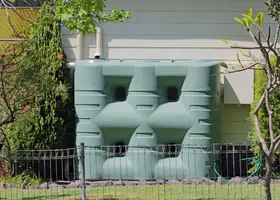
Reduce water use
- Install water-efficient showerheads and taps.
- Take shorter showers.
- Fix leaks quickly.
- Reduce lawn areas and choose native or waterwise plants.
- Apply mulch to retain soil moisture.
- Install a rainwater tank for garden use.
- Follow watering days and sprinkler restrictions.
- Consider a greywater system (approval required).
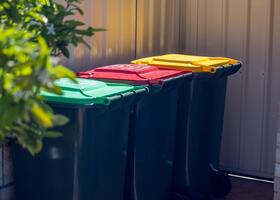
Reduce waste
- Avoid single-use products.
- Choose items with minimal packaging.
- Reuse and buy second-hand.
- Dispose of items responsibly.
- Compost food and garden waste.
- Use recycling and Containers for Change services.
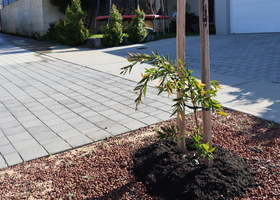
Plant trees and green your home
- Retain existing trees and vegetation.
- Plant shade trees and native species.
- Use climbers, shrubs and groundcovers for cooling.
- Request a free verge tree from the City.
- Improve shading around your home to reduce heat.
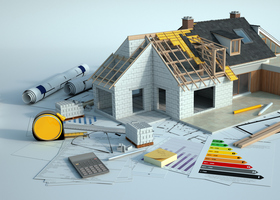
Build sustainably
- Use passive solar design principles.
- Increase insulation and shading.
- Choose light-coloured, reflective materials.
- Install efficient heating, cooling and hot water systems.
- Design homes to maximise natural light and cross-breezes.