
If your property, building or place has heritage significance, it may be subject to additional planning requirements. Learn about the different types of heritage listings, why they matter, and how heritage may affect development or renovation proposals.
What heritage means
Heritage includes buildings, structures, cemeteries, landscapes, archaeological sites and places that help tell the story of Western Australia and the local community.
Heritage places may be valued for their aesthetic, historic, scientific, social or spiritual significance.
Types of heritage listings
Heritage places listed in the City of Wanneroo’s Local Heritage Survey appear in one or more of the following categories:
State Register of Heritage Places: A statutory state-wide register of places recognised for their outstanding cultural heritage significance in Western Australia’s. Managed by the Heritage Council of Western Australia (HCWA) under the Heritage Act 2018, it is the highest level of heritage recognition in the State and corresponds to Category 1 in the City's Local Heritage Survey.
City of Wanneroo Heritage List: A statutory list under the City’s Local Planning Scheme of places identified as having exceptional or considerable local cultural heritage significance. The Heritage List includes places classified as Category of 1 or 2 in the City’s Local Heritage Survey and is implemented through Local Planning Policy 4.12 – Heritage.
Local Heritage Survey (LHS): A comprehensive survey of places identified as having local cultural heritage significance in the City.
How heritage affects development
If your property is heritage-listed, development proposals may need additional assessment to ensure heritage values are protected.
Development (Planning) Approval is required when:
The place is on the State Register of Heritage Places;
The place is on the City’s Heritage List;
The proposed works may affect heritage significance; and
Demolition or major alteration is proposed.
Applications affecting these places are referred to the Heritage Council for assessment or comment and may require public consultation.
Building permit requirements still apply where structural works are proposed.
Some low-impact works may not require approval if they do not affect the cultural heritage significance of the place. If unsure, contact the City before starting any works.
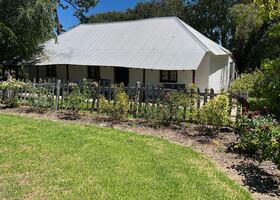
State register
Places on the State Register have demonstrated significance to Western Australia.
If your development affects a State Registered place, your application will be referred to the HCWA.
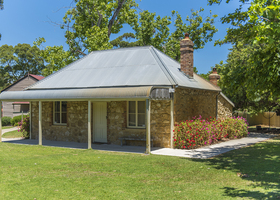
City of Wanneroo Heritage List
The Heritage List includes places in the City’s Local Heritage Survey with a management category of 1 or 2. These places are considered to have exceptional or considerable local significance.
Development (Planning) Approval may be required for development affecting a listed place and public consultation may also be needed.
The City of Wanneroo Local Heritage Survey is periodically reviewed.
Heritage significance
Heritage significance is assessed against five indicators, based on HCWA's assessment guidelines and informed by the Burra Charter:
- Aesthetic
- Historic
- Scientific
- Social
- Spiritual
A place does not need to meet all five indicators to be considered of heritage significance. Each indicator is assessed independently against its own criteria.
Local Heritage Survey (LHS)
A LHS is a comprehensive survey of places identified as having local cultural heritage significance in the City. Prepared in accordance with HCWA's Guidelines for Assessment of Local Heritage (2022), the LHS documents and records places that contribute to the City’s history and character. The LHS informs heritage planning and conservation policies but does not, on its own, create any statutory requirements. Places assessed as Category 1 or 2 may also be included in the State Register of Heritage Places or City’s Heritage List.
The City of Wanneroo Local Heritage Survey is periodically reviewed.
Management categories
Each place assessed in the LHS is assigned a category from 1 to 4, reflecting its level of significance:
| Category | Significance | Effect |
|---|---|---|
1 | Exceptional (State level) | Forms the City’s Heritage List (LPP 4.12) and is entered on the HCWA Register of Heritage Places |
2 | Considerable | Forms the City's Heritage List (LPP 4.12) |
3 | Some / moderate | No heritage constraints on development |
4 | Lesser significance | No heritage constraints on development |
How heritage affects development
If your property is heritage-listed, development proposals may need additional assessment to ensure heritage values are protected. Local Planning Policy 4.12 – Heritage Places provides guidance for managing change to heritage places and encourages early consultation with the City. Heritage listing does not prevent development, but the impact on heritage value will be considered. Demolition by neglect is not supported, and demolition proposals must be appropriately justified.
When Development (Planning) Approval is required
Development (Planning) Approval is required when:
- The place is on the State Register of Heritage Places (Category 1).
- The place is on the City’s Heritage List (Category 2).
- The proposed works may affect the heritage significance of a Category 1 or 2 place.
- Demolition or major alterations are proposed.
Category 1 places: Applications are referred to the Department of Planning, Lands and Heritage (DPLH) for assessment. More significant or complex proposals may be referred to the HCWA. The City may also provide comments on the proposal.
Category 2 places: Applications are assessed by the City against Local Planning Policy 4.12 – Heritage Places. A Heritage Impact Statement may be required to support a Development Application and applications may also require public consultation.
Building permits
Building permit requirements continue to apply where structural works are proposed, regardless of whether a property is heritage – listed.
Minor works
If considering minor works on a Category 2 place, contact the City before commencing works to determine what approvals are required.
Aboriginal cultural heritage
Aboriginal cultural heritage (ACH) is protected under the Aboriginal Heritage Act 1972, which requires approval for activities that may harm or have the potential to harm that heritage. Approval is required where proposed works pose a risk of harm - where there is no risk, approval is not needed. Places of ACH significance are listed on the DPLH Aboriginal Cultural Heritage Inquiry System (ACHIS) map viewer. Landowners are encouraged to check ACHIS before undertaking works that may impact ACH and to contact the DPLH directly if a potential impact is identified. The City does not assess applications relating to ACH. The DPLH manages this process, in consultation with the relevant Aboriginal representative body. Where a place holds both ACH and historic heritage significance and is included on the City's Heritage List, it will also be assessed through the City’s heritage planning process. Find out more about Aboriginal cultural heritage on the WA Government website, where you can also access ACHIS.