The City’s Annual Tree Planting Program (ATPP) is all about growing greener, cooler and more beautiful suburbs. Every year, the City of Wanneroo plants over 3,500 new trees across our parks, streets and residential verges.
About verge trees
Verge trees (also known as street trees) are the trees planted on the strip of land between your property boundary and the road, often called the verge or nature strip.
These trees are cared for by the City and play an important role in keeping our neighbourhoods greener, cooler and more beautiful. They provide shade, help reduce urban heat, enhance streetscapes, support local biodiversity by providing habitat for native wildlife and create green corridors that connect natural areas across the city.
Where verge trees are planted
The City's verge guidelines and tree policy set out where verge trees can be planted. The City may make exceptions in special circumstances. The guidelines include:
- At least one tree on the verge next to each residential property
- At least 3 metres from any public utility junction box, manhole, pole or aerial feeder line
- 2.7 metres from the property boundary, where possible
- At least 5 metres apart, depending on the species and location.
Types of verge trees
Explore the range of verge tree species approved for planting on verges and in public spaces.
| Tree species | Common name | Evergreen/deciduous | Origin | Height | Suited for properties near powerlines | Suitable for coastal properties |
|---|---|---|---|---|---|---|
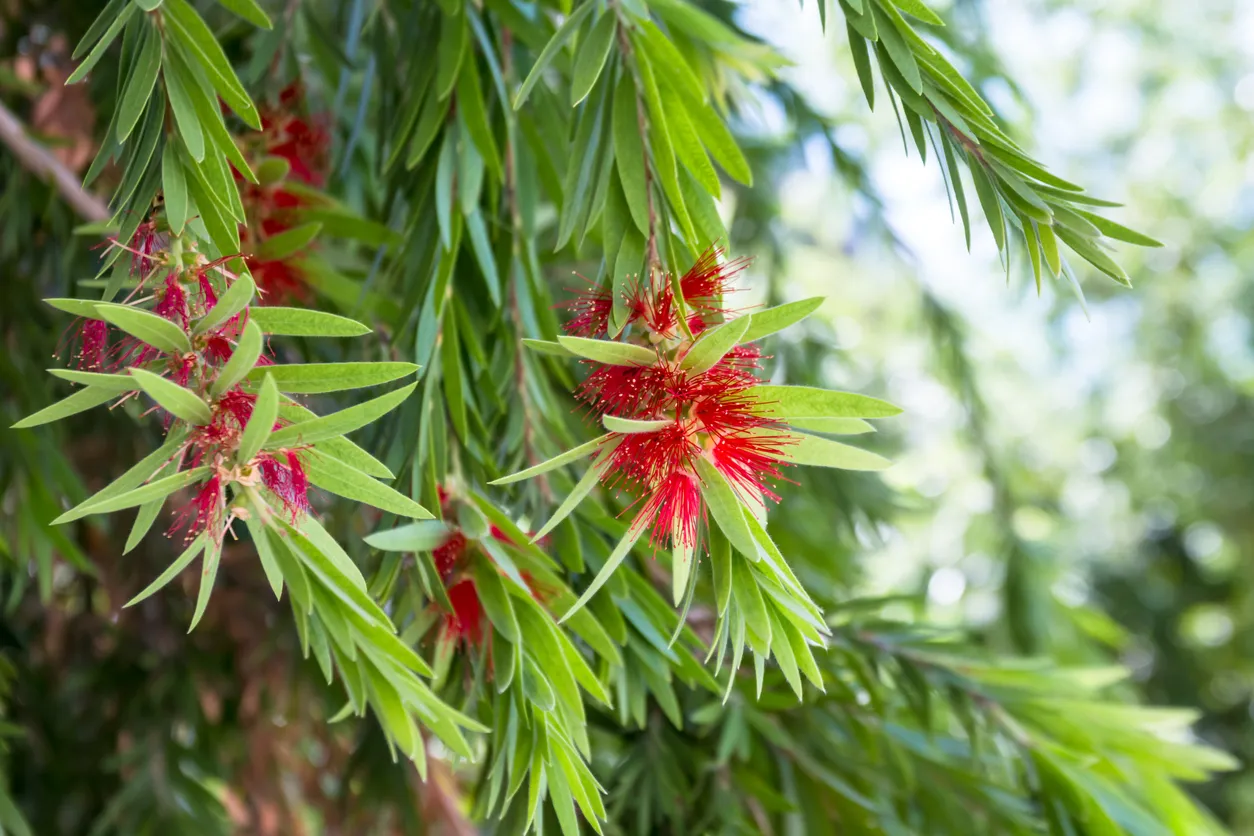
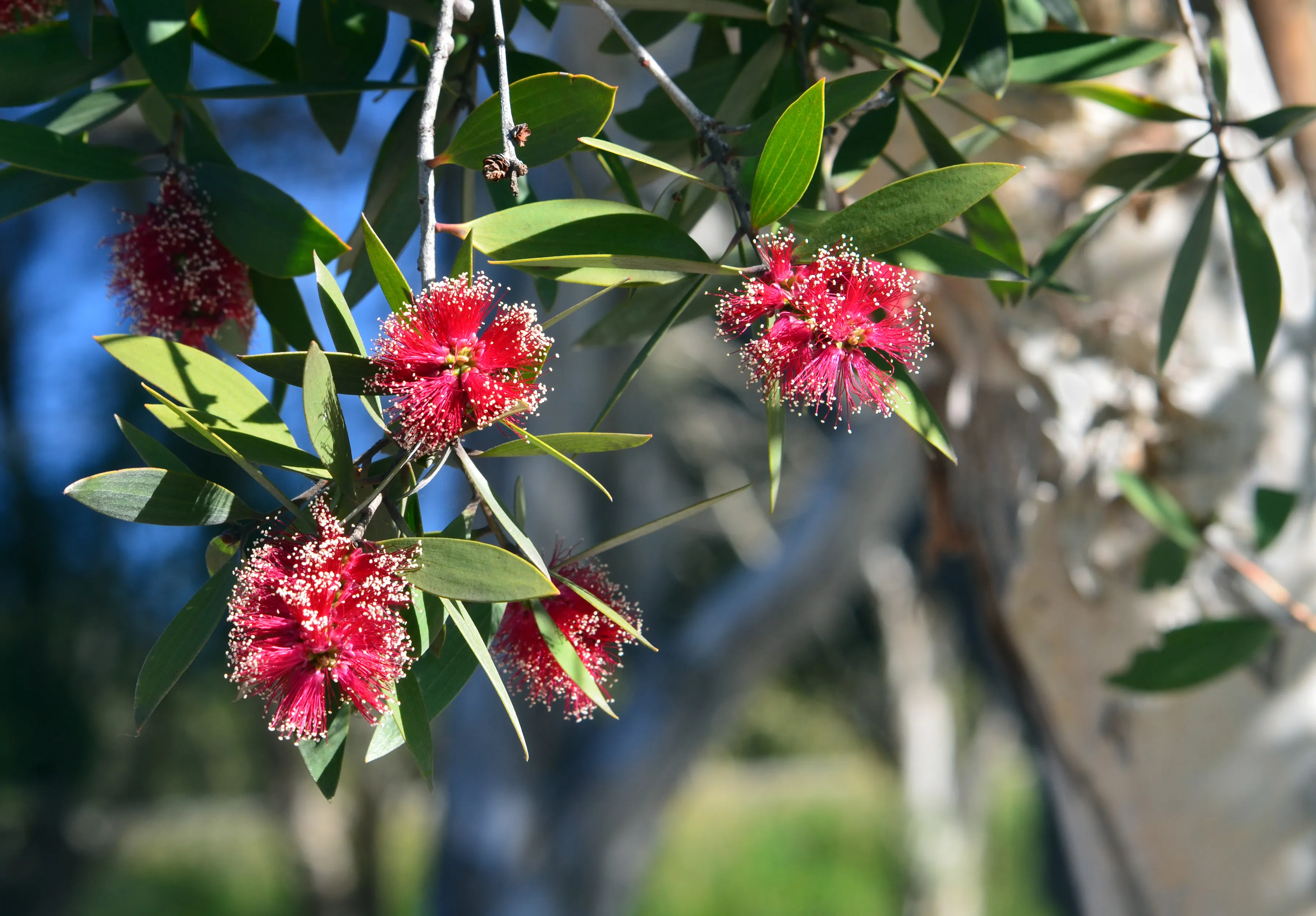
| Callistemon viminalis | Weeping Bottlebrush | Evergreen tree | Aus Native | 2-6m | Yes | Yes |
| Corymbia eximia (Nana) | Dwarf Yellow Bloodwood | Evergreen tree | Aus Native | 2-6m | Yes | No |
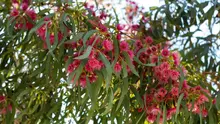
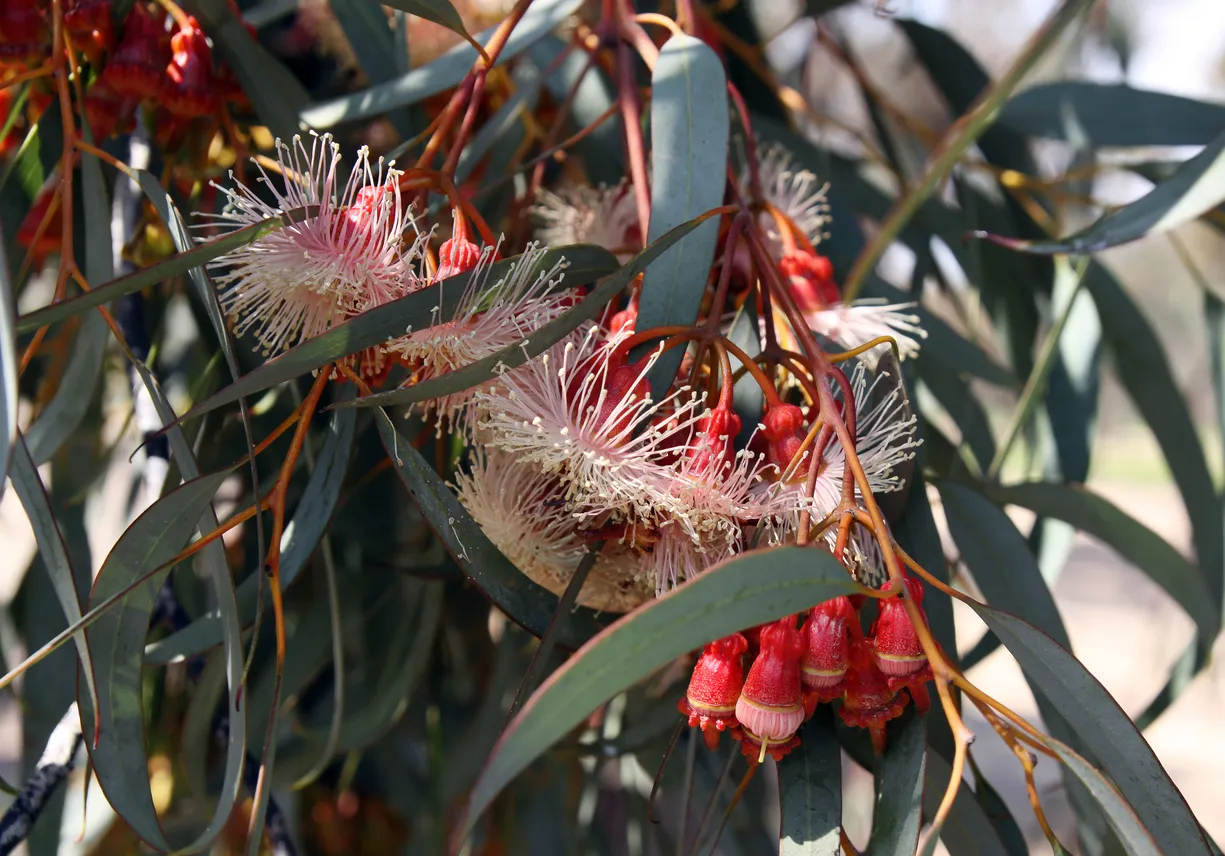
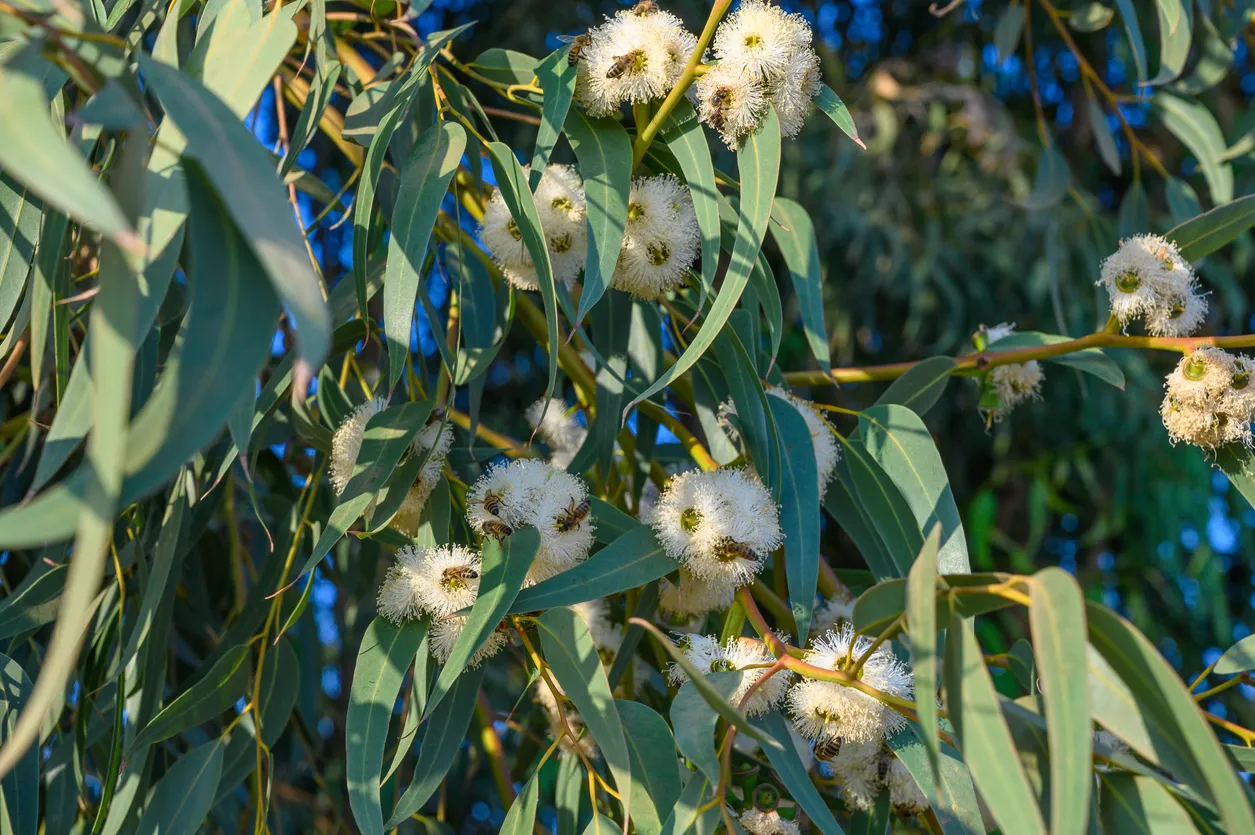
| Eucalyptus torquata | Coral Gum | Evergreen tree | WA Native | 2-6m | Yes | Yes |
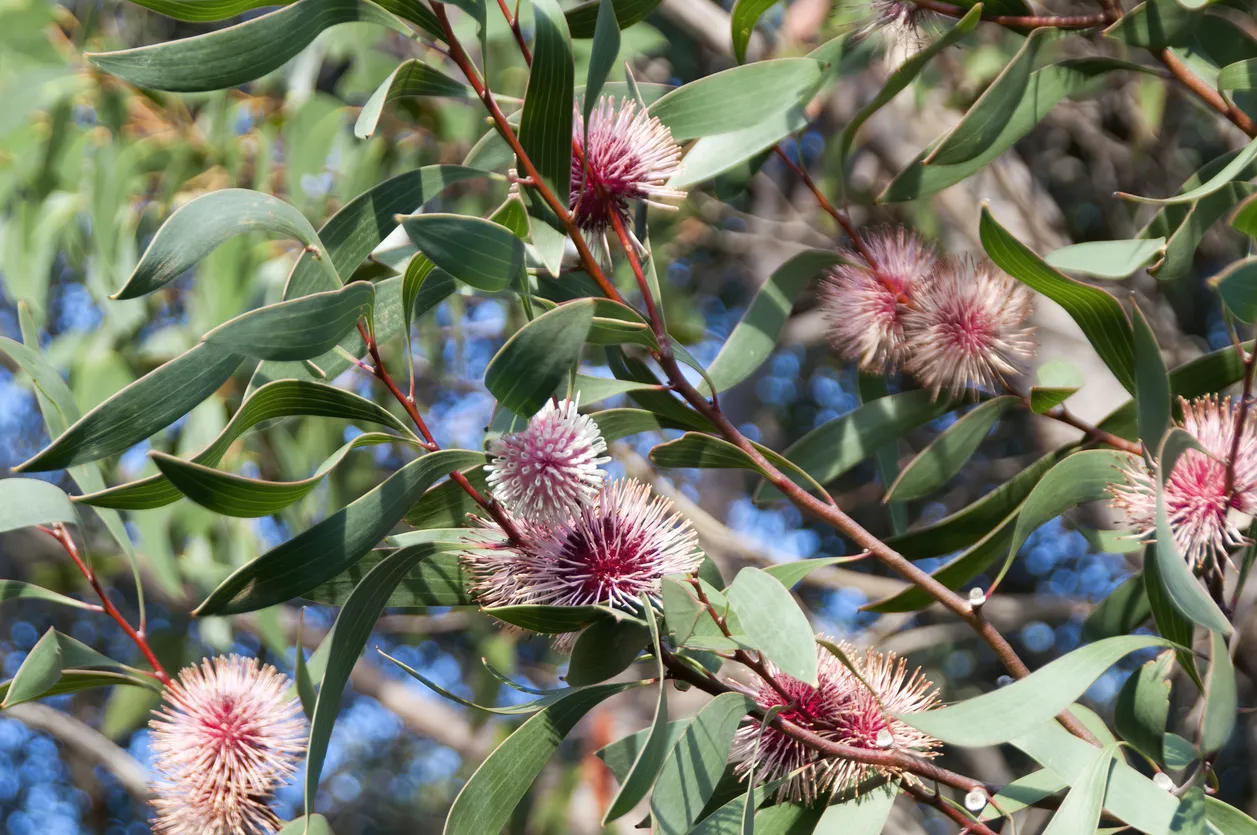
| Hakea laurina | Pin Cushion Hakea | Evergreen tree | WA Native | 2-6m | Yes | No |
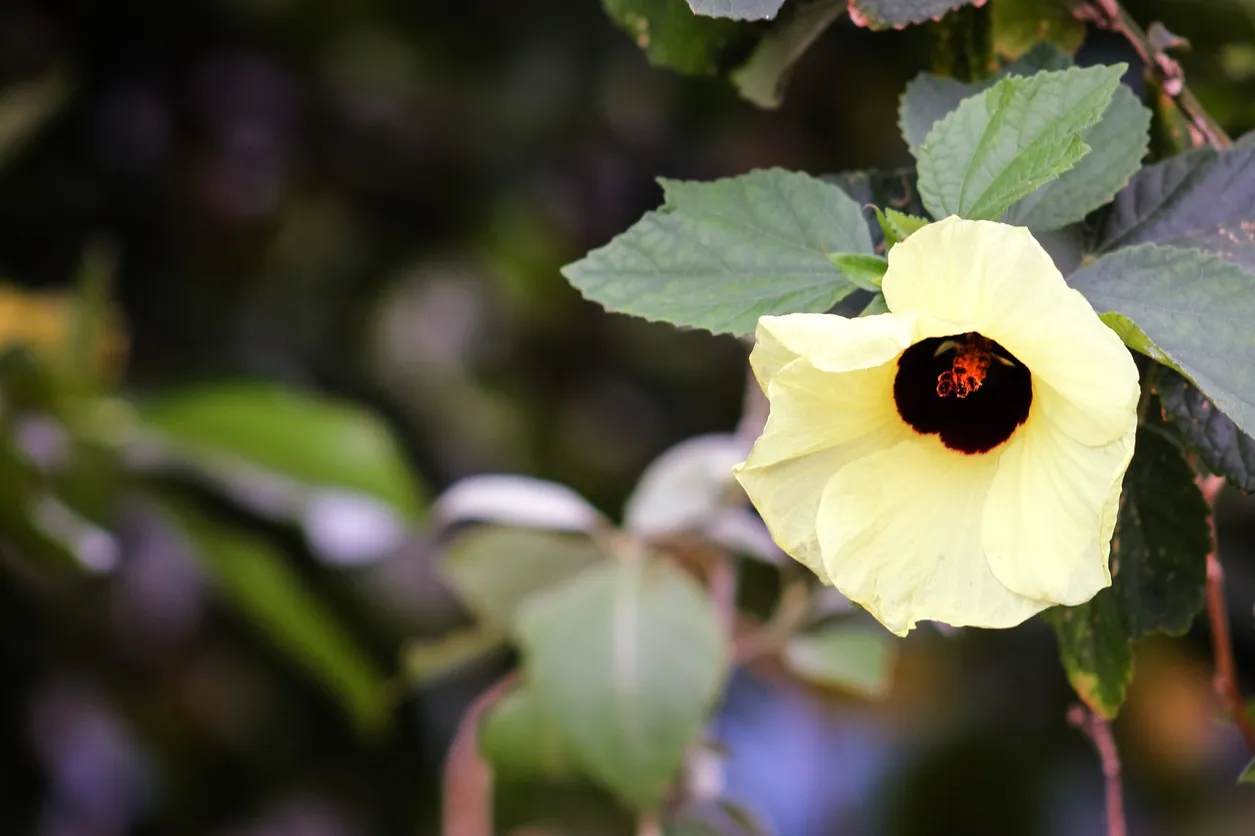
| Hibiscus tiliaceus | Cottonwood Hibiscus | Evergreen tree | Aus Native | 2-6m | Yes | Yes |
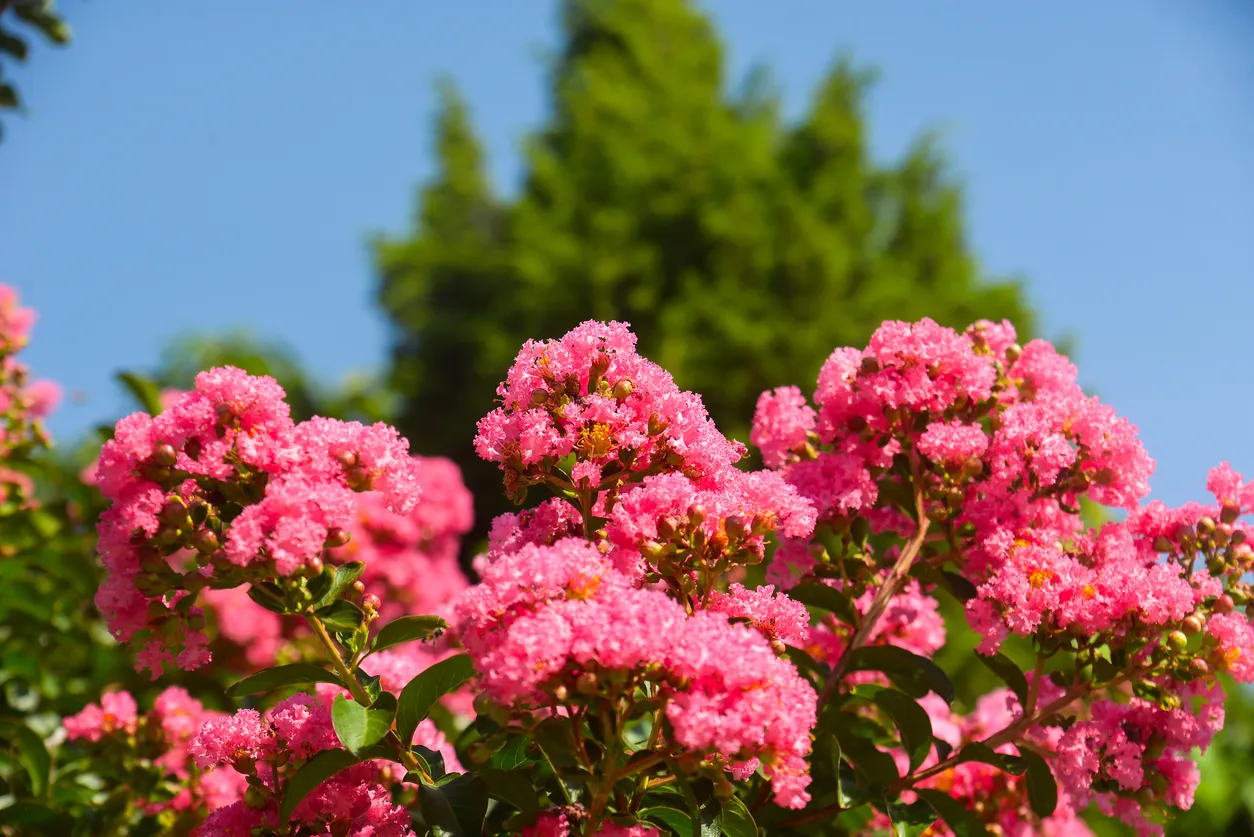
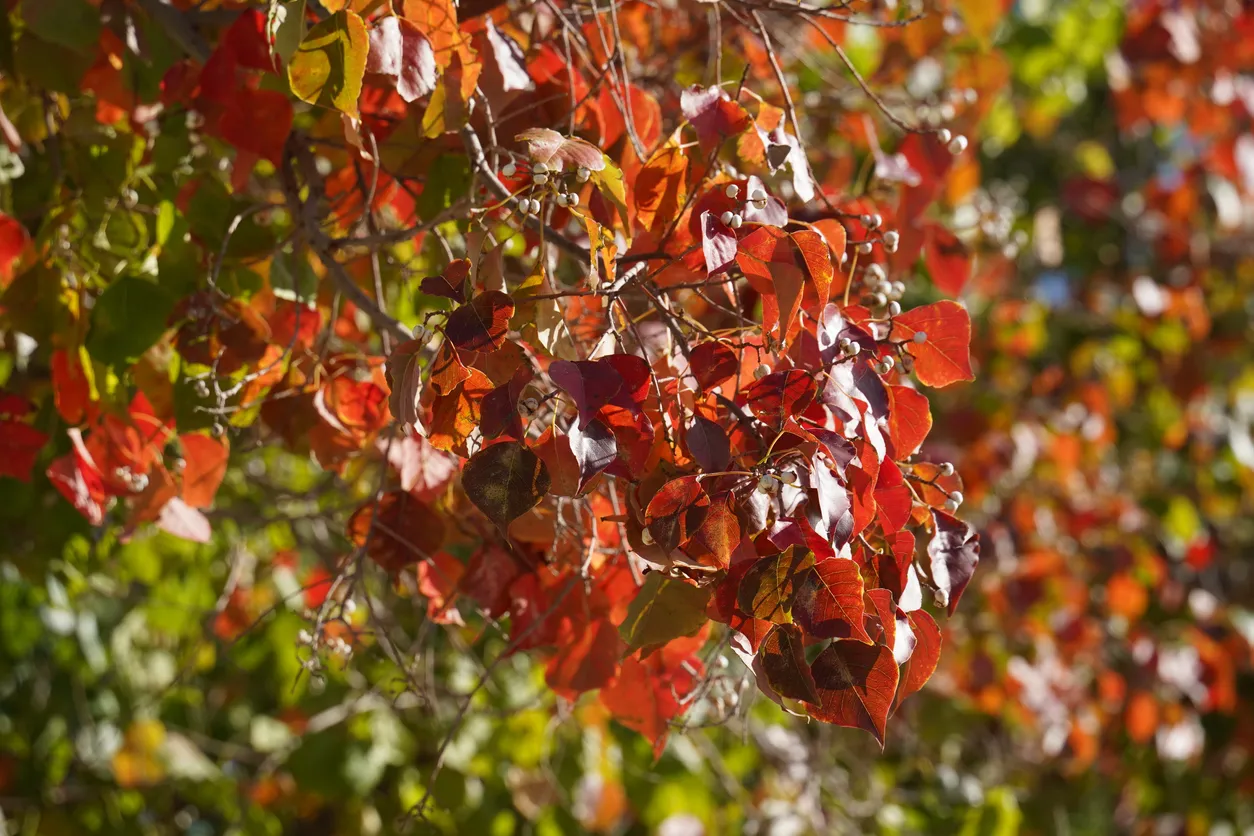
| Lagerstromia indica | Crepe Myrtle | Deciduous tree | Exotic | 2-6m | Yes | No |
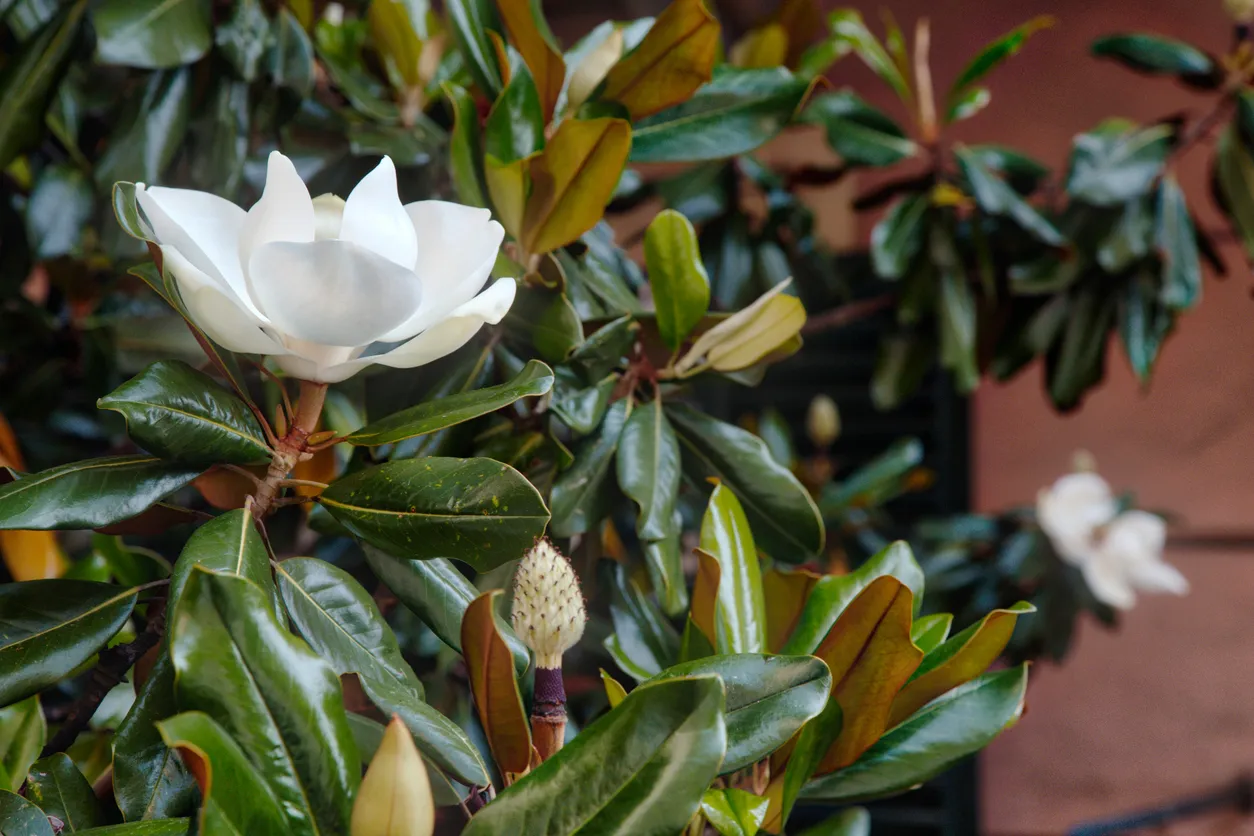
| Magnolia "Little Gem" | Dwarf Magnolia | Evergreen tree | Exotic | 2-6m | Yes | No |
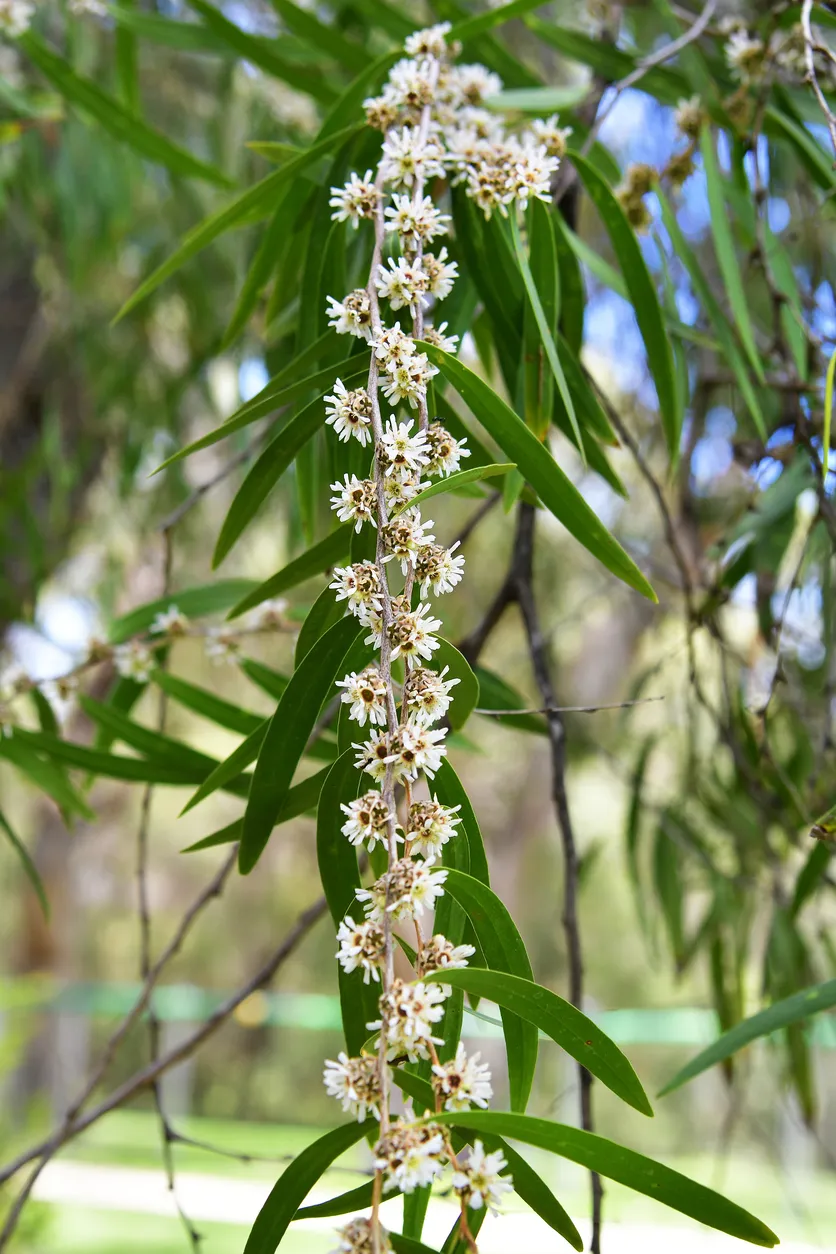
| Melaleuca lanceolata | Rottnest Island Tea-Tree | Evergreen tree | WA Native | 2-6m | Yes | Yes |
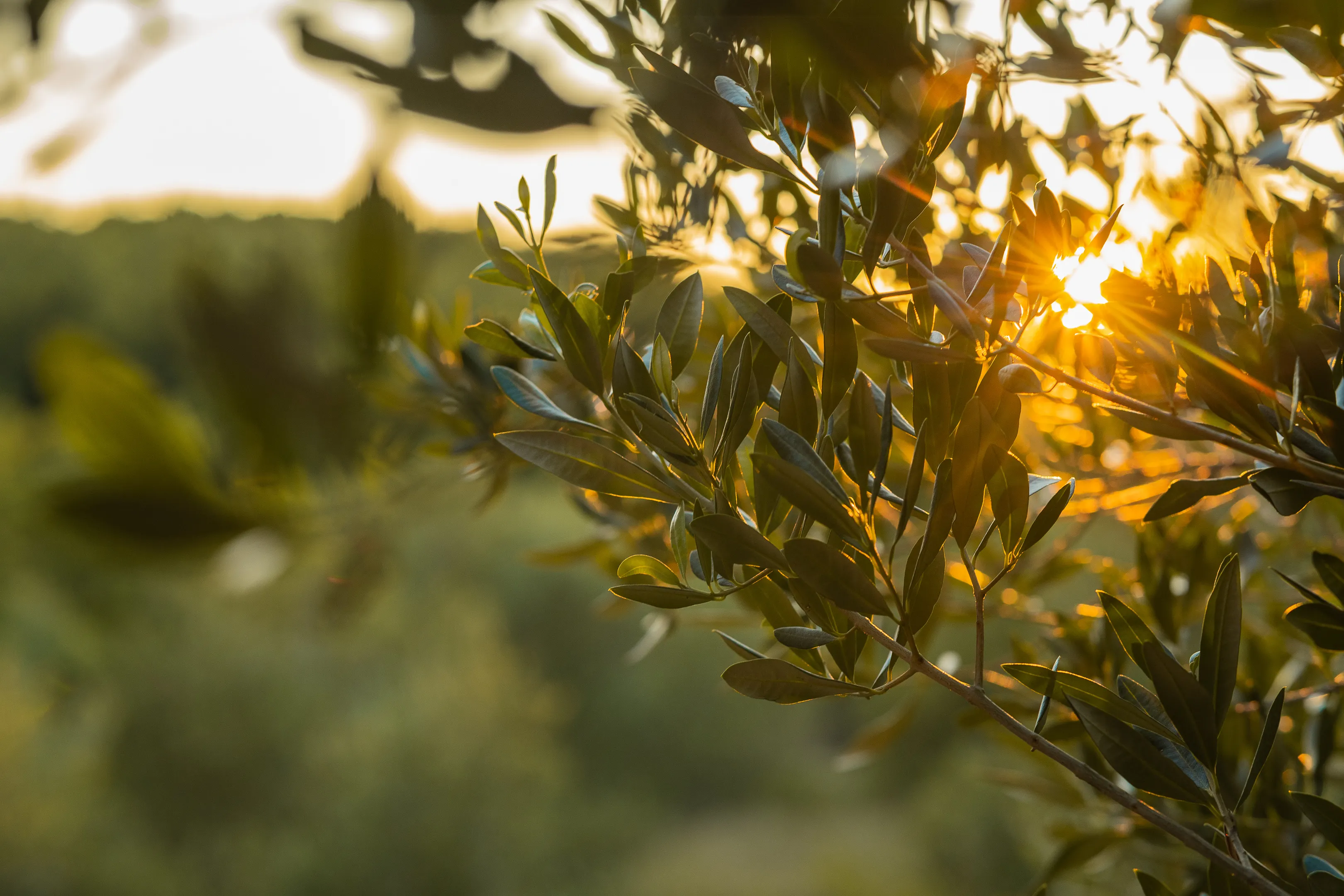
| Swan Hill Olive | Fruitless Olive | Evergreen tree | Exotic | 2-6m | Yes | Yes |
| Triadica sebiferum | Chinese Tallow | Deciduous tree | Exotic | 2-6m | Yes | No |
| Tree species | Common name | Evergreen/deciduous | Origin | Height | Suited for properties near powerlines | Suitable for coastal properties |
|---|---|---|---|---|---|---|
| Agonis flexuosa | WA Peppermint | Evergreen tree | WA Native | 6-10m | Yes | Yes |
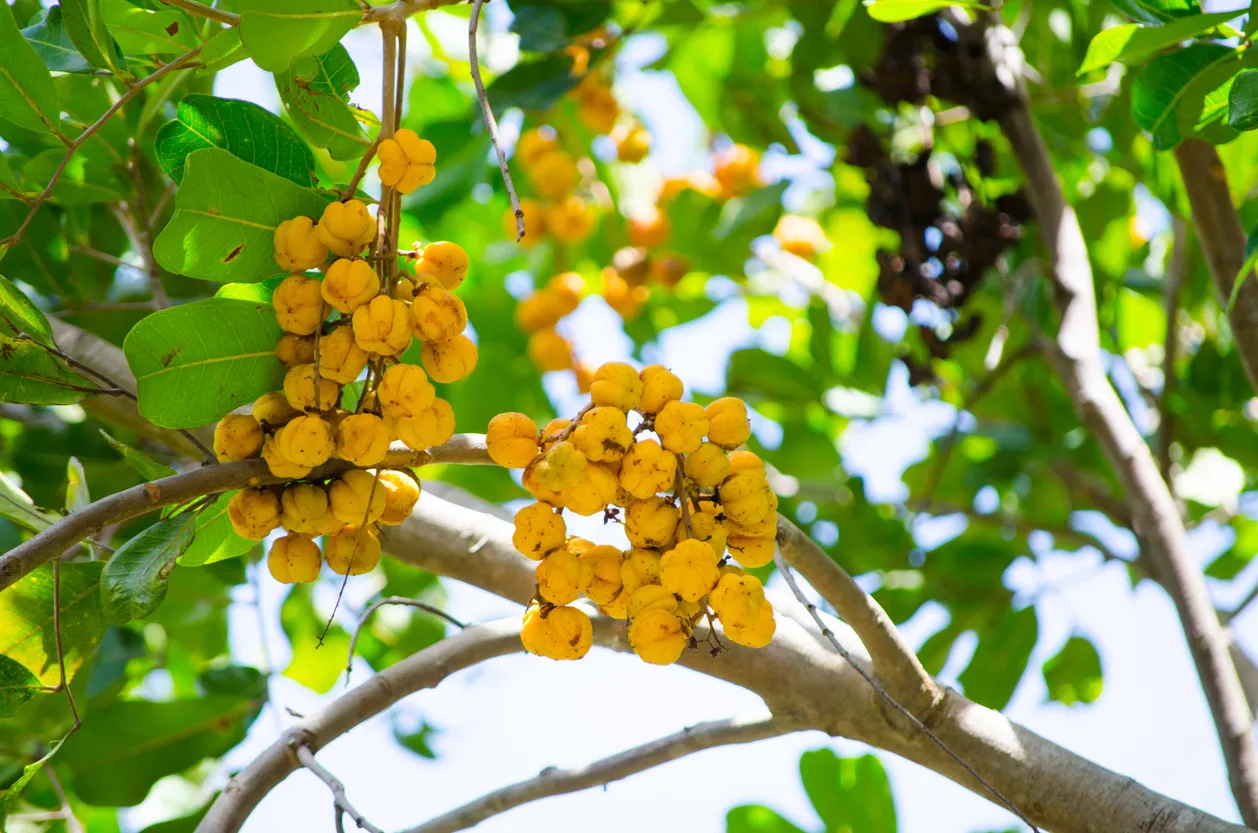
| Cupaniopsis anacardoides | Tuckeroo | Evergreen tree | Aus Native | 6-10m | Yes | Yes |
| Eucalyptus cladocalyx "Nana" | Dwarf Sugar Gum | Evergreen tree | Aus Native | 6-10m | No | Yes |
| Eucalyptus decipiens | Redheart - Moit | Evergreen tree | WA Native | 6-10m | No | Yes |
| Eucalyptus platypus | Moort | Evergreen tree | WA Native | 6-10m | No | Yes |
| Eucalyptus todiana | Coastal Blackbutt | Evergreen tree | WA Native | 6-10m | Yes | Yes |
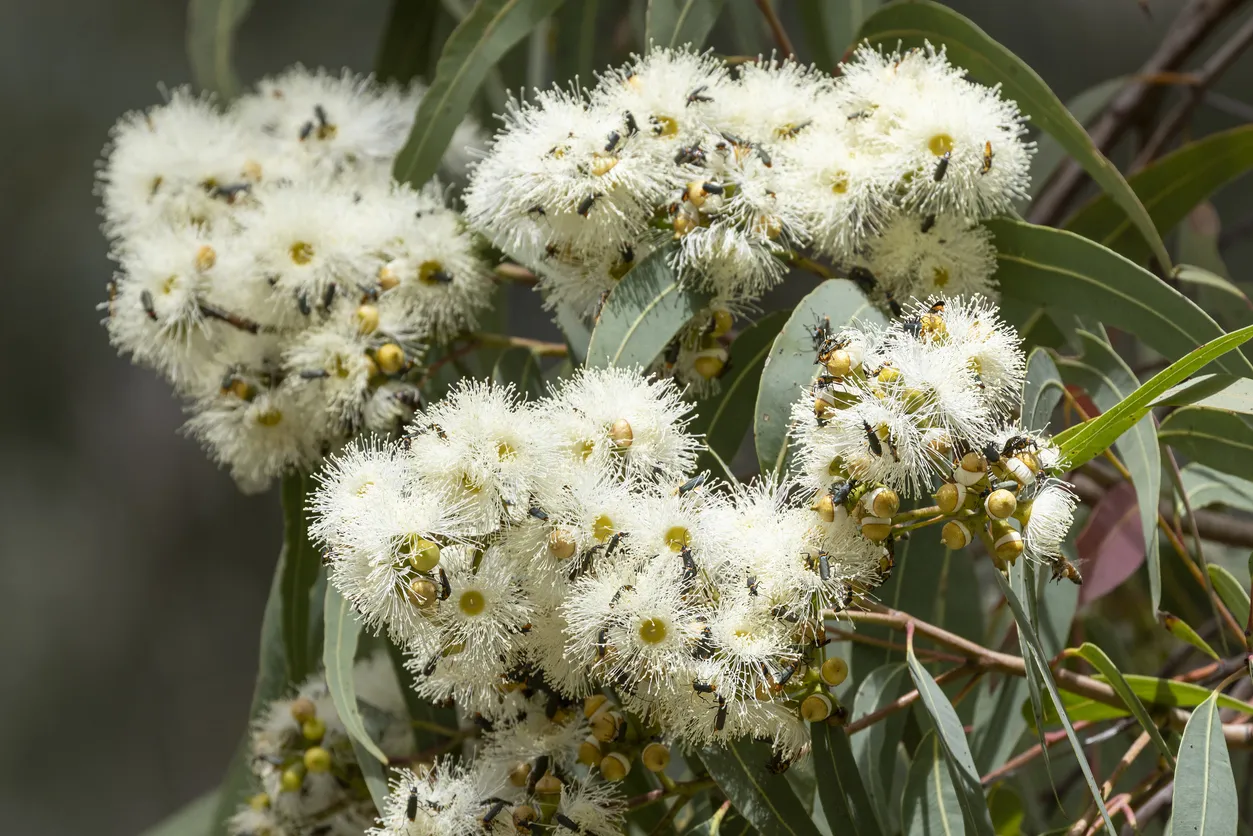
| Eucalyptus victrix | Snow Queen | Evergreen tree | WA Native | 6-10m | Yes | Yes |
| Melaleuca quinquenervia | Broadleaved Paperbark | Evergreen tree | Aus Native | 6-10m | No | No |
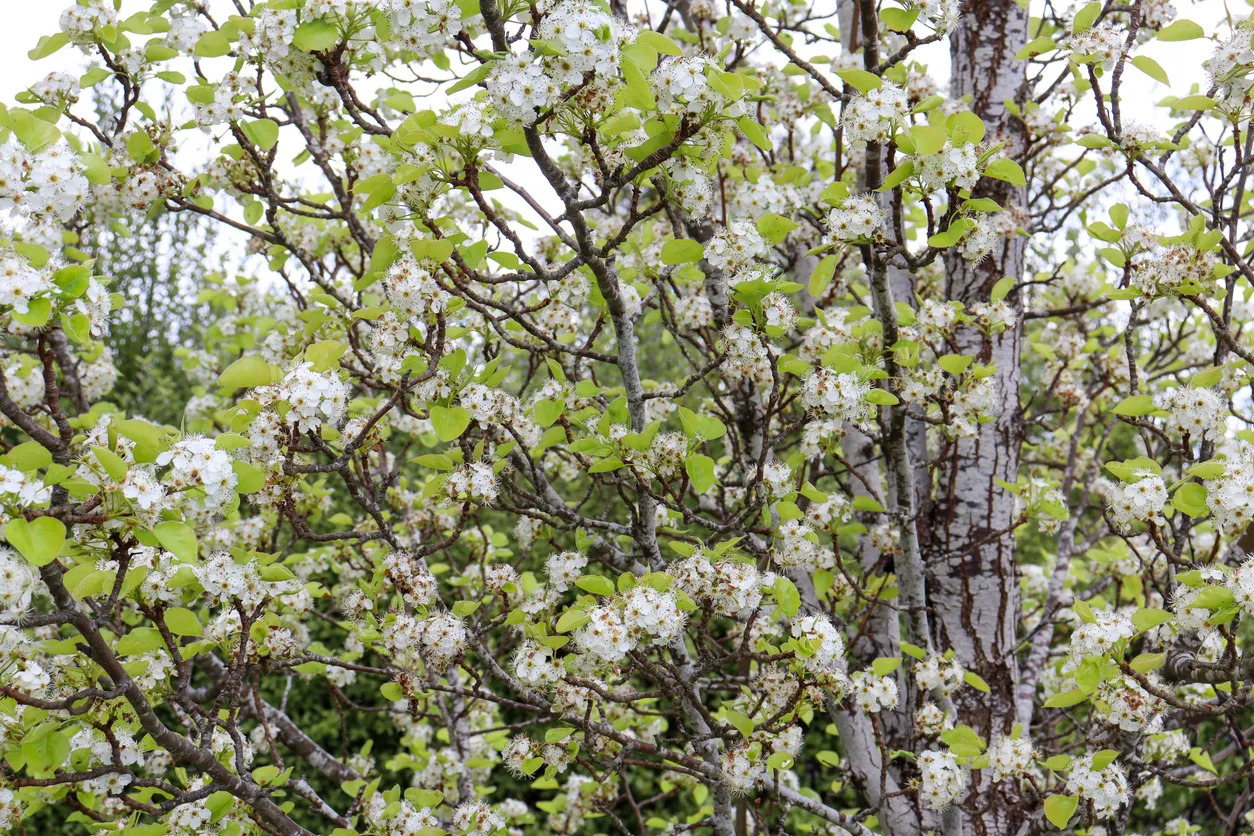
| Pyrus calleryana | Ornamental Pear | Deciduous tree | Exotic | 6-10m | No | No |
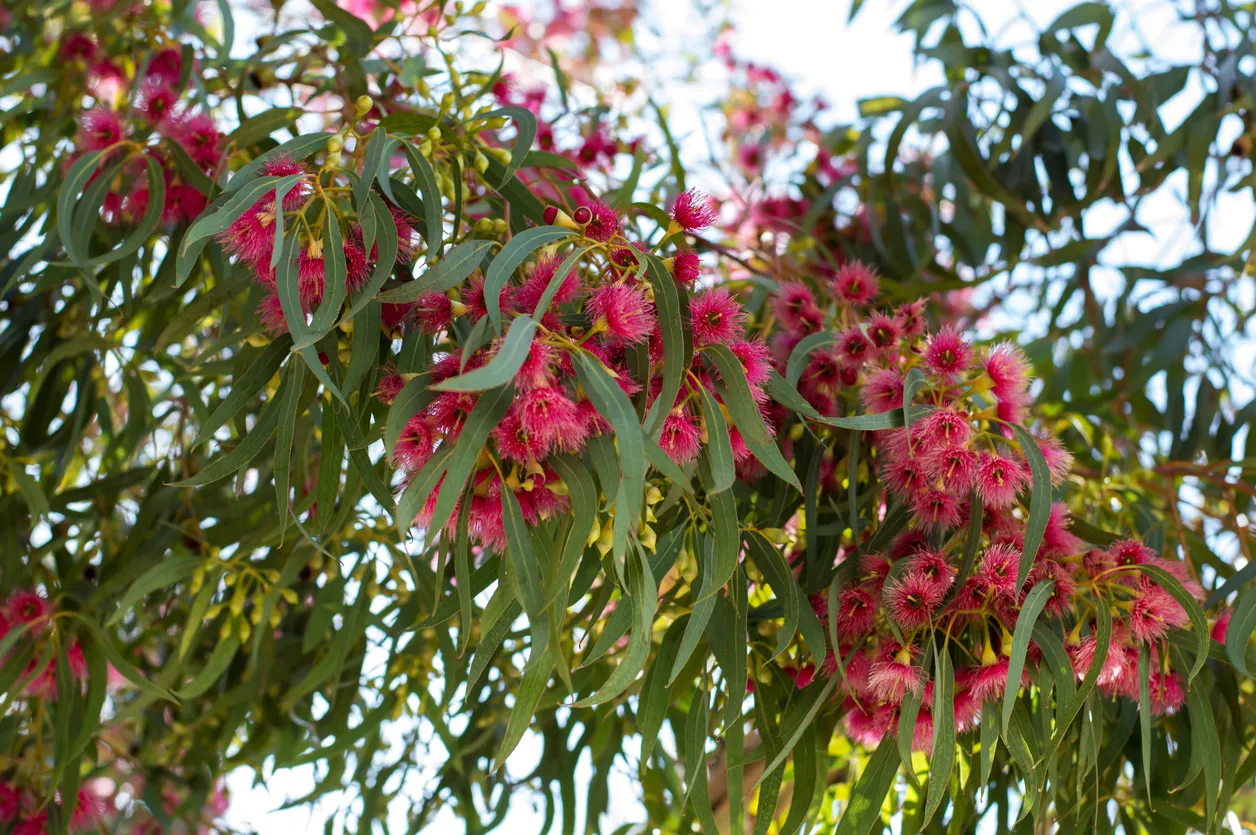
| Corymbia ficifolia | Red Flowering Gum | Evergreen tree | WA Native | 6-10m | No | No |
| Melaleuca virdifloria | Red Flowering Broadleaved Paperbark | Evergreen tree | Aus Native | 6-10m | No | No |
| Tree species | Common name | Evergreen/deciduous | Origin | Height | Suited for properties near powerlines | Suitable for coastal properties |
|---|---|---|---|---|---|---|
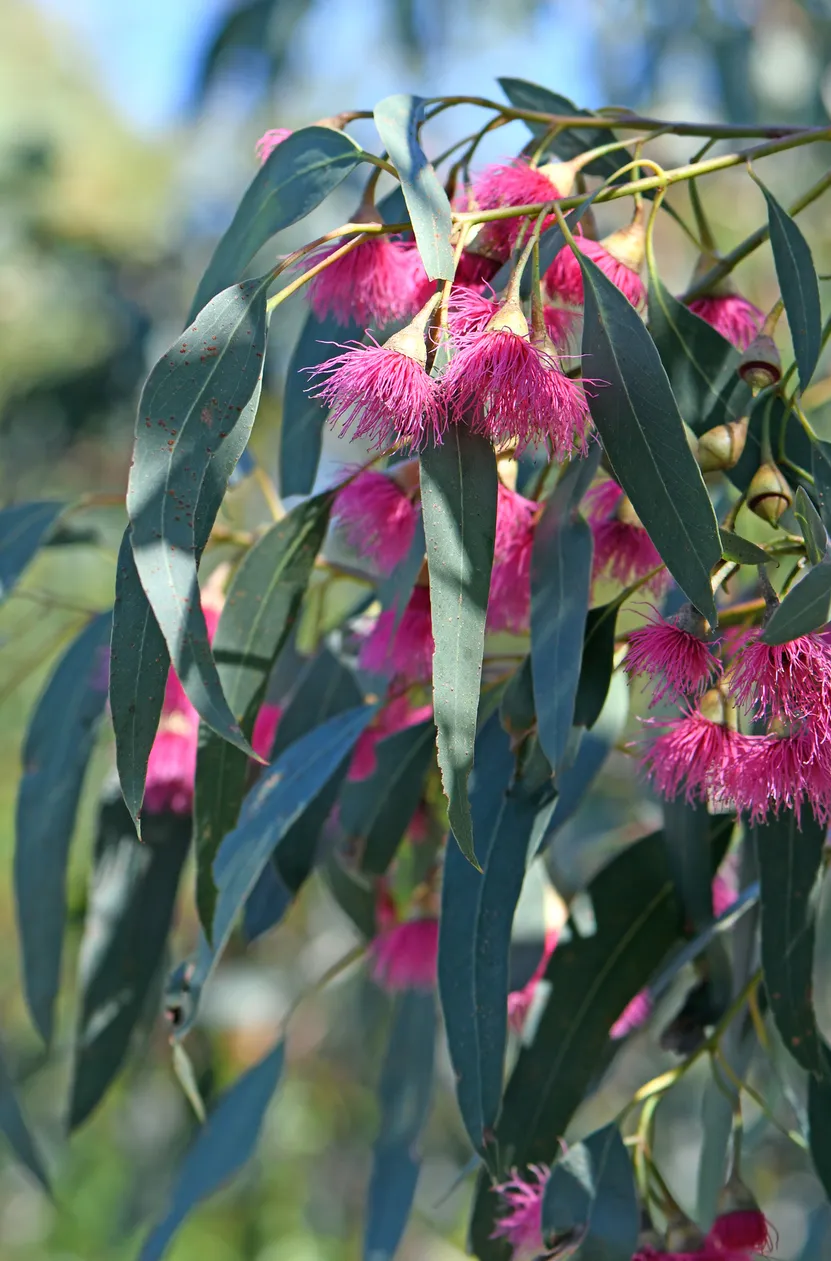
| Eucalyptus leucoxylon "Rosea" | Red Flowering Yellow Gum | Evergreen tree | Aus Native | 10> | No | Yes |
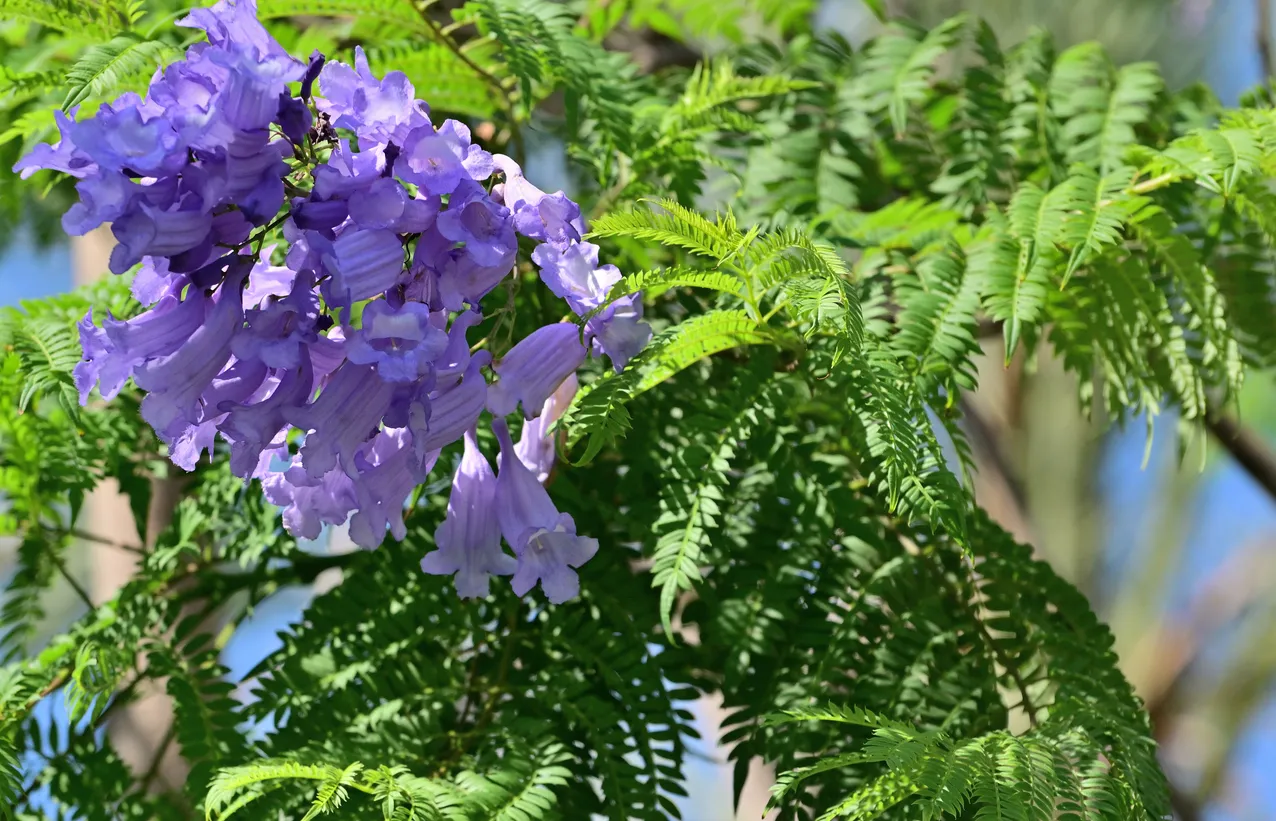
| Jacaranda mimiosfolia | Jacaranda | Deciduous tree | Exotic | 10> | No | No |
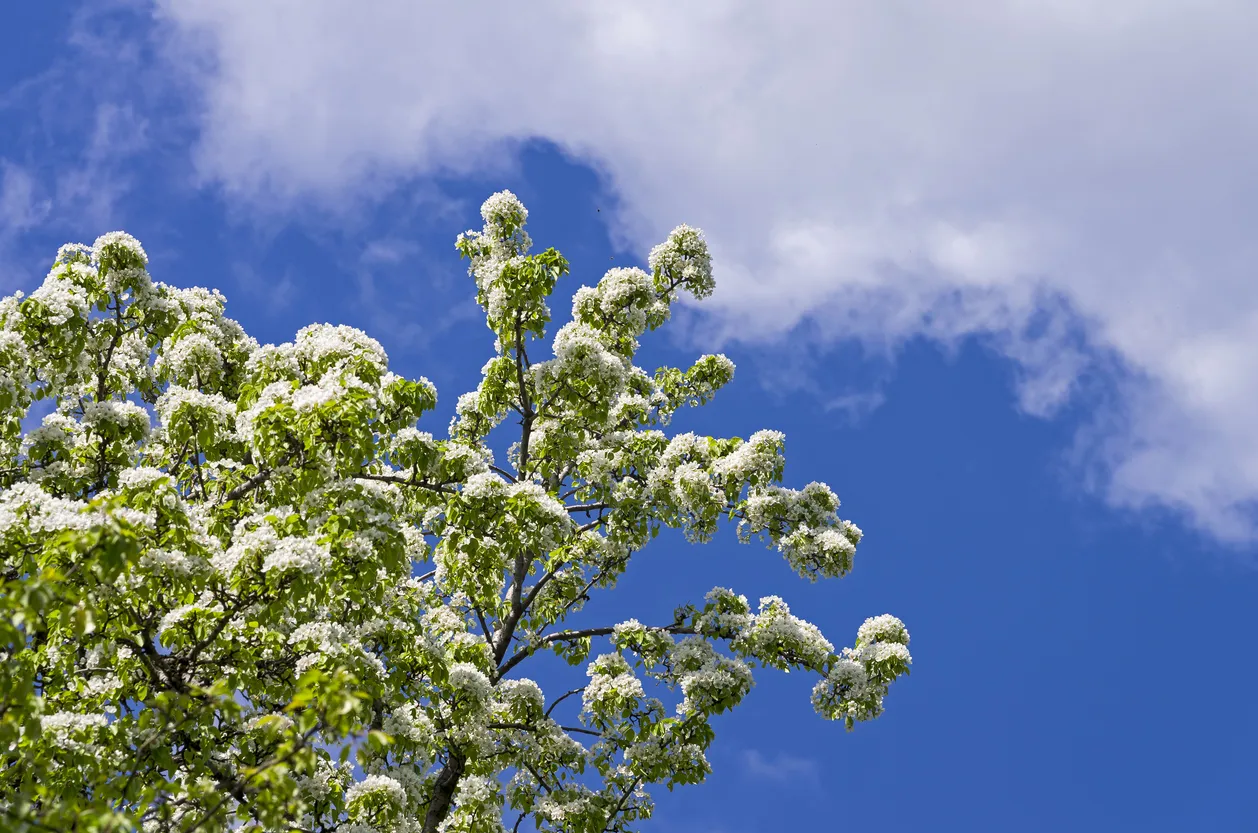
| Pyrus ussuriensis | Manchurian Pear | Deciduous tree | Exotic | 10> | No | No |
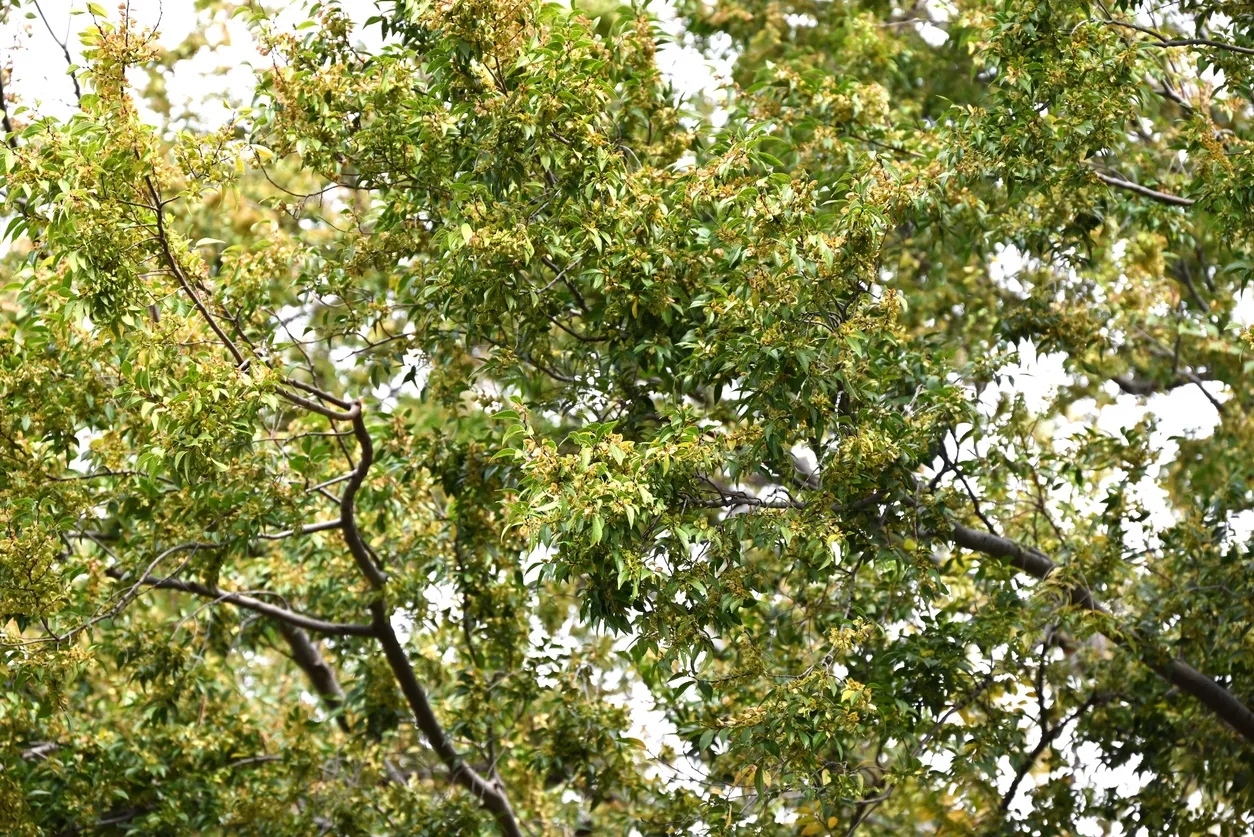
| Ulmas parvifolia | Chinese Elm | Deciduous tree | Exotic | 10> | No | No |
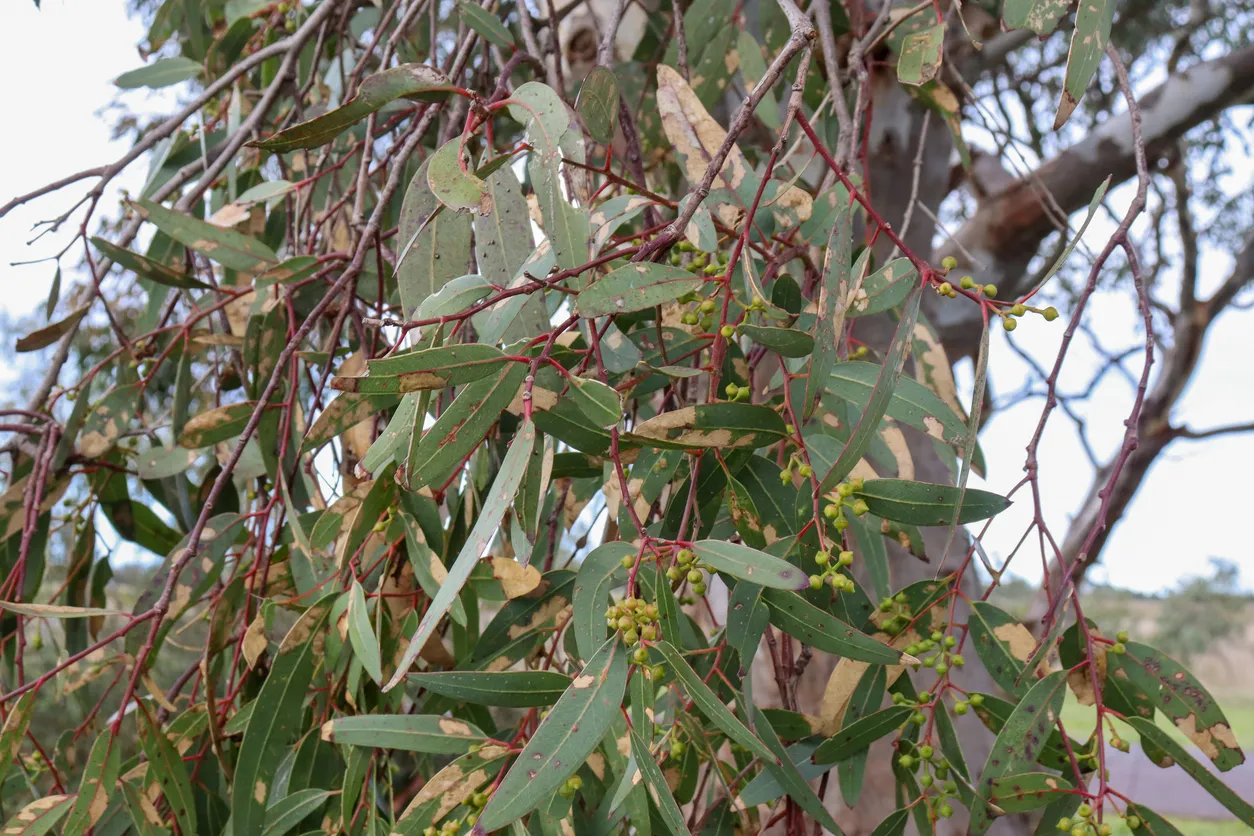
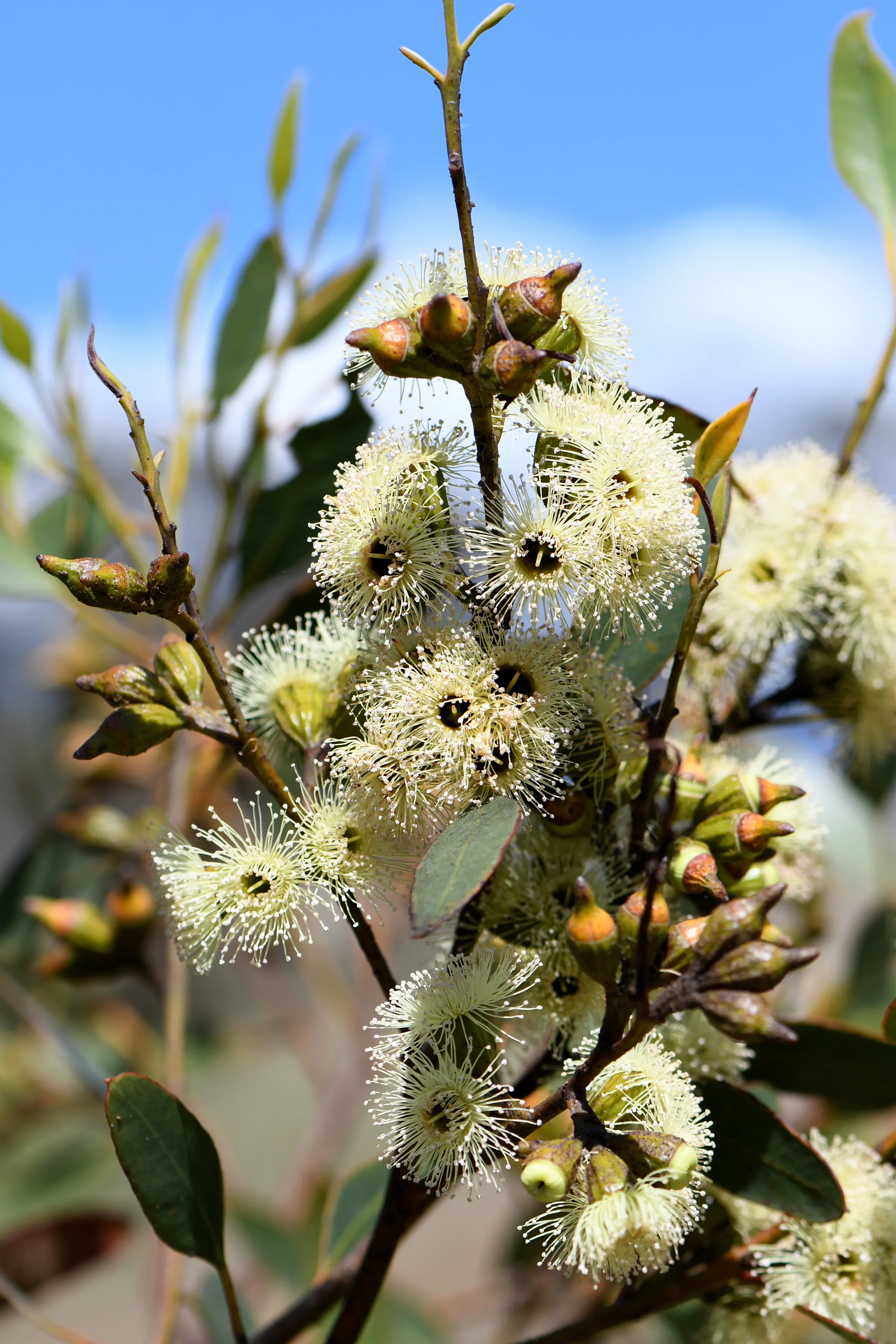

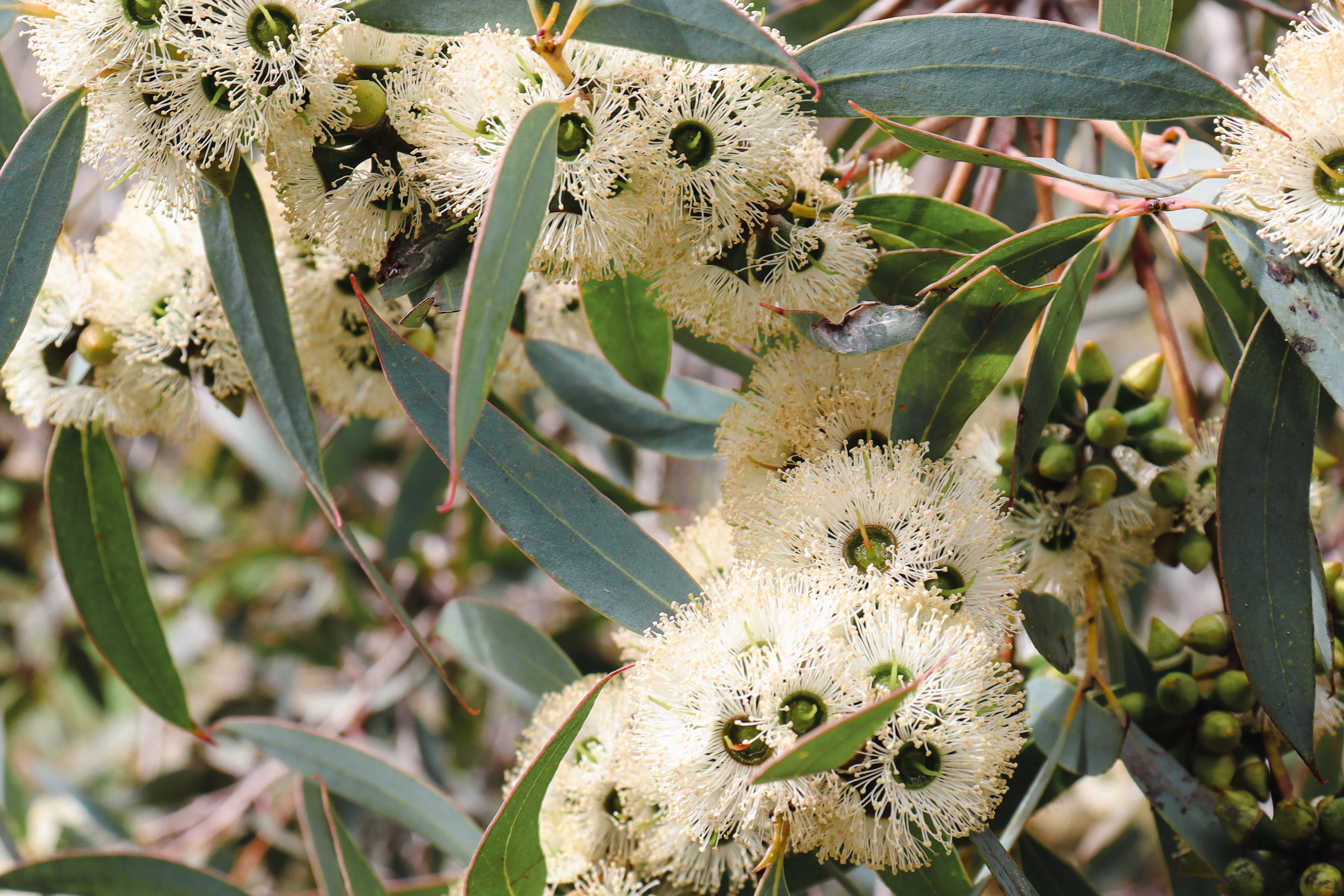
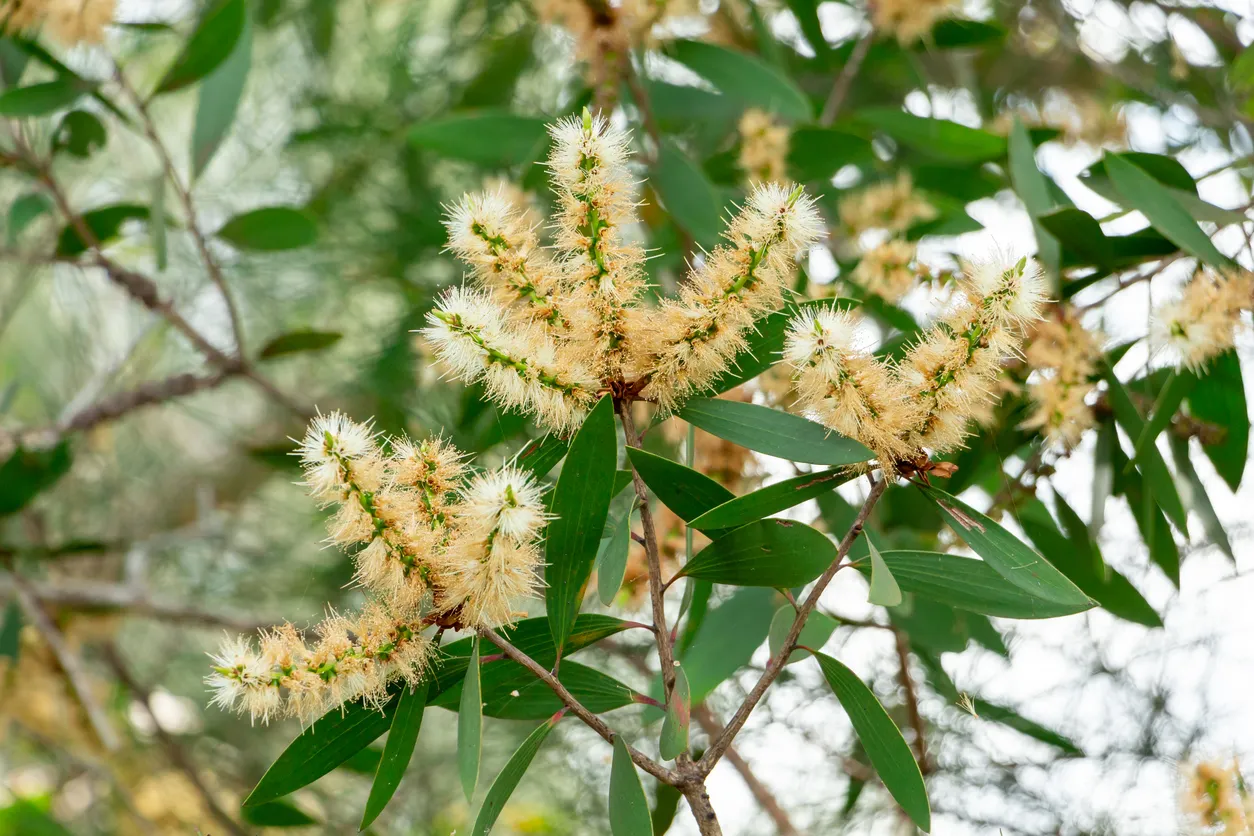
Annual National Tree Day
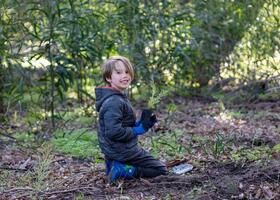
Each year, the City selects a park with a little less leafy cover to host our Annual National Tree Day celebration. It’s an opportunity for the community to come together, meet fellow residents and get their hands dirty while planting trees in a park they love. National Tree Day takes place on the last Sunday in July.
Suggest a park tree
The City invites the community to share which parks could benefit from some extra shade and greenery.
Your suggestions help us make our suburbs cooler, greener, and even more enjoyable for everyone.
Verge maintenance
The City appreciates the care residents take in looking after their verges, which improves the look of the street and their properties.
Street trees are looked after by the City and must not be interfered with under any circumstances.
While we always try to avoid damaging reticulation when planting trees, it can sometimes happen. If your reticulation is damaged, let us know through Report it.
For information about parking on verges, visit Parking.
Leaf mulch
Tree leaves are basically tiny nutrient grenades just waiting to explode goodness back into the ground. Even the stubborn evergreen and deciduous leaves eventually give up and break down. Nature always wins.
Here are some ways to deal with your leaf mulch:
- Let them chill on the ground. Nature will sort it out while you do nothing
- Mow them up with a rotary mower. It's like a smoothie for your lawn, compost or green bin it!
- Rake them into a pile. Then use them to mulch your garden beds, toss them in compost or send them off in the green bin like leaf travellers
- Get creative. Turn them into crafts, art projects, or leap into a pile like you're in a cheesy movie montage.
Frequently asked questions
Complete the verge street tree request form.
In the City’s verge guidelines and City’s tree policy the administration has a guideline for all street verge tree planting. Variations under exceptional circumstances shall be at the discretion of the City. Guidelines include:
Minimum of one (1) tree is to be planted on the verge adjacent to each residential property.
Plant at least three (3) metres away from any public utility junction box, manhole, pole or aerial feeder line.
Trees to be planted at two point seven (2.7) metres from the private property line in areas possible.
Street trees to be planted at no less that 5m spacing. (Spacings to be dependent upon species type and specific locations).