
Find out what is considered an obstruction on verges, footpaths and property driveway entries (crossovers), what residents must keep clear and when a verge licence is required for temporary use of the verge during building or development work.
What is a verge obstruction
A verge obstruction is anything that blocks safe movement along the verge, footpath or property driveway entry, or restricts visibility for pedestrians, cyclists or drivers.
Obstructions can create hazards, limit accessibility and reduce sightlines at driveways and intersections.
Residents must keep verges, footpaths and property driveway entries (crossovers) clear at all times unless a permit has been issued by the City.
Disconnected verges
A disconnected verge is a section of verge that is physically separated from the adjoining property, typically by changes in elevation and/or retaining walls. Access between the property and the verge is often limited to stairs or narrow pathways. Examples include elevated cottage-style lots with rear laneway access.
In 2023, the City completed a review of its streetscape and verge management policies and practices to improve service consistency and address the challenges of maintaining disconnected verges. The review was endorsed by Council at the February 2024 Ordinary Council Meeting. If your house has a disconnected verge, it may form part of the City’s standard streetscape maintenance schedule and will be maintained by the City.
If work is required on a disconnected verge please lodge a maintenance request online.
Side verge responsibilities
Standard side verges are the responsibility of the adjoining property owner. Keeping your side verge well maintained not only enhances the appearance of your own property, but also contributes to the overall presentation of the street and neighbourhood.
Management and maintenance of verges
Property owners and occupiers are responsible for maintaining the verge area between the property boundary and the kerb (front and sides). Furthermore, property owners/occupiers are considered to have installed and maintained the verge, irrespective of whether they physically installed the verge treatment or not. It is therefore your responsibility to maintain your verge so that it complies with the City’s Local Laws and Nature Strip (Verge) Treatment Guidelines.
Parking on verges
Parking vehicles on verges may be restricted depending on the property and location. In most cases and unless sign posted otherwise, parking on verges requires the consent of the adjoining landowner. Vehicles must not block footpaths, property driveway entries or sightlines.
Please refer to parking related signage.
If parking on a verge is not permitted or creates a safety issue, a City Ranger may issue an infringement or request that the vehicle be moved.
Obstructing footpaths and property driveway entries
Footpaths and property driveway entries (crossovers) must remain clear for pedestrians, mobility devices, prams, and access to homes.
Obstructions may include:
Vehicles parked across a footpath or driveway entry
Waste bins left in pedestrian access areas
Overgrown vegetation or low-hanging branches. Including plants on your property that cause a hazard or obstruct a public place.
Materials placed across or near a driveway entry
Landscaping that prevents safe passage.
Cables or other items placed on or above the verge that may cause a hazard to others.
Items or vegetation that obstruct access may require removal or trimming back. Where verge trees cause obstructions, contact the City to arrange an inspection.
Obstructions on public accessways (PAW’s)
Public accessways are designed to provide safe, clear and accessible routes for pedestrian movements including cycling, walking, individuals with disabilities, parents with strollers and the elderly. Obstructions on these accessways can create safety hazards, restrict accessibility and increase the risk of trips, falls and accidents.
Examples of verge/streetscape obstructions
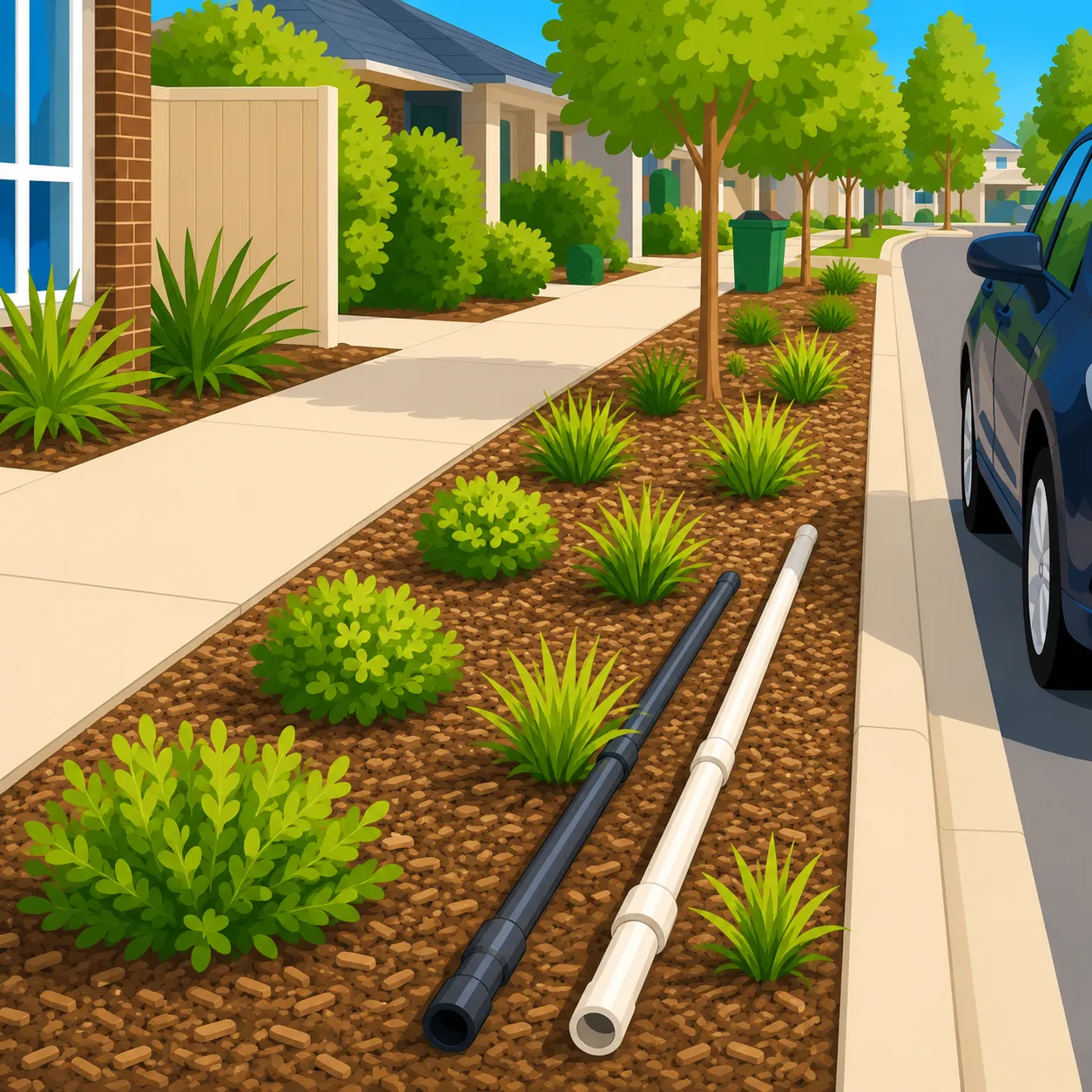
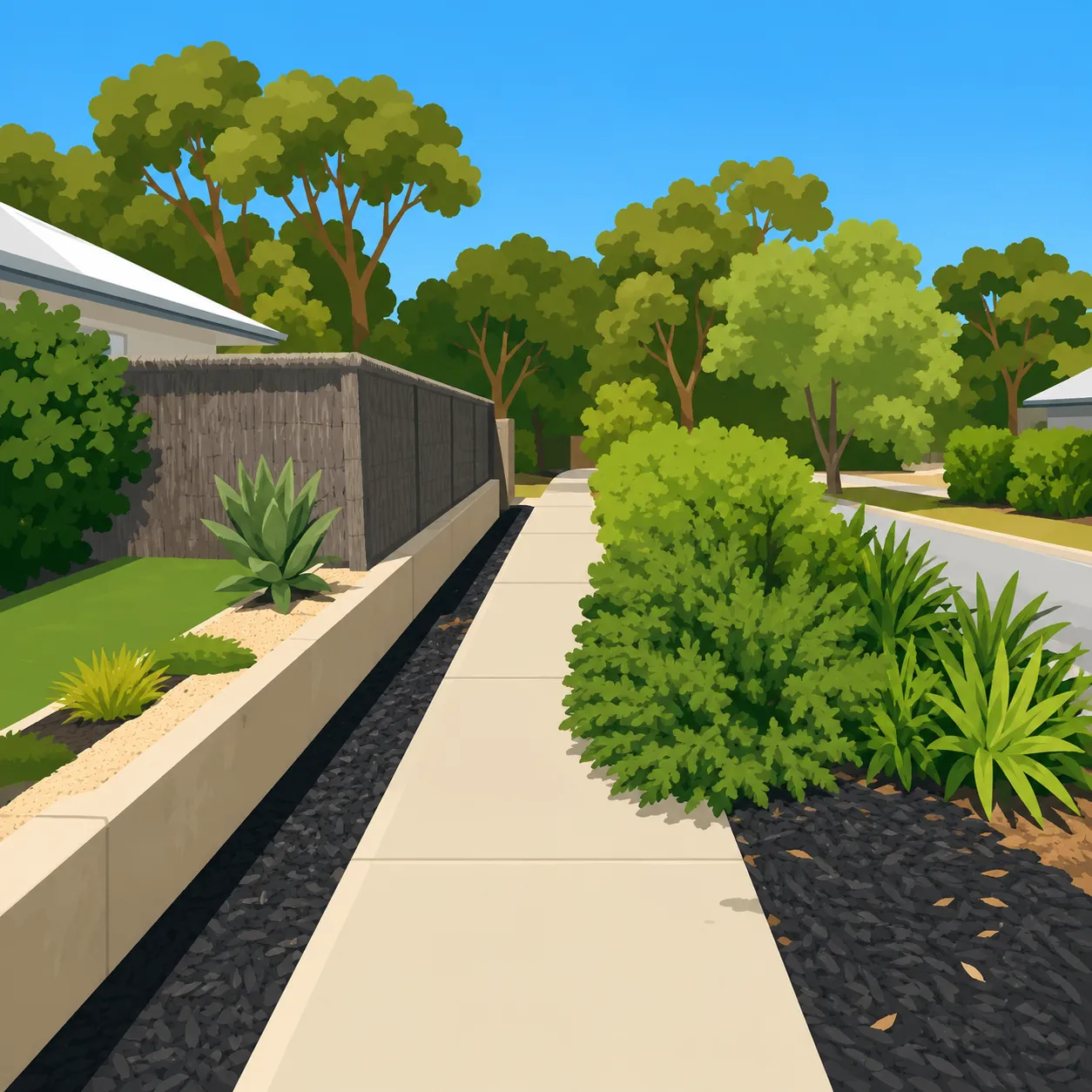




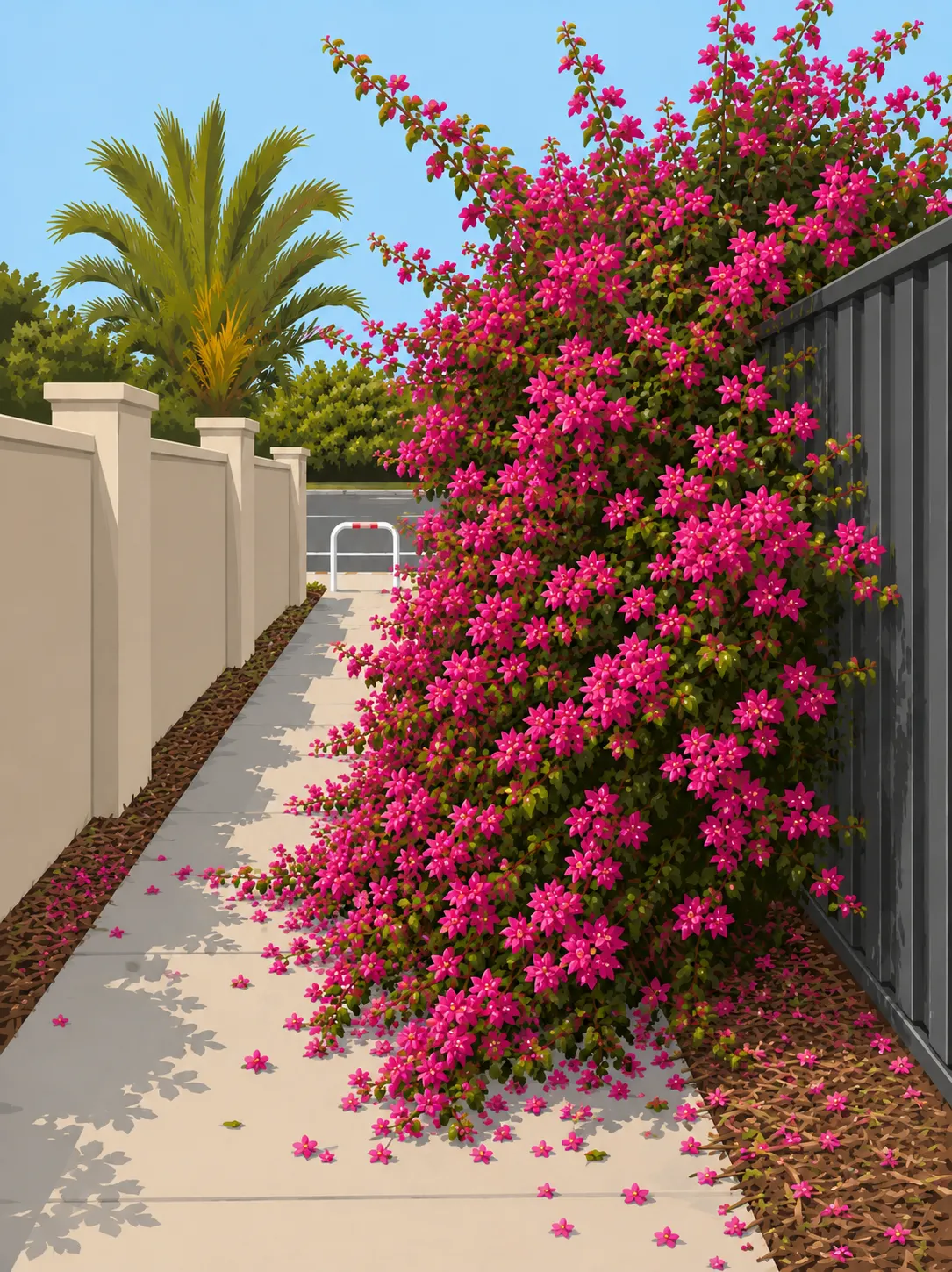
Placing items or materials on verges
Materials, skips, pallets, soil, rubble, fencing, scaffolding or equipment must not be placed on a verge without approval.
A Verge Licence is required if you need to temporarily use the verge to store materials during building, demolition or development works.
A verge licence allows short-term use of the verge and helps ensure pedestrian safety, property driveway access and protection of infrastructure.
To find out more and apply refer to the Verge Licence page.
Verge landscaping and sightlines
Landscaped verges must not obstruct visibility or access. This includes:
Plants taller than 60cm in areas where visibility is required
Dense planting near property driveway entries that affects sightlines
Rocks, logs, pickets, edging or structures that block pathways
Irrigation fixtures or pipes that protrude above ground level.
For approved verge landscaping guidelines, visit the Nature Strip (Verge) Treatment page.
Tips for verge compliance