Discover Wanneroo’s heritage places, including Buckingham House, the Old Wanneroo Schoolhouse, and Cockman House - historic sites that preserve early settlement, community life and local stories.
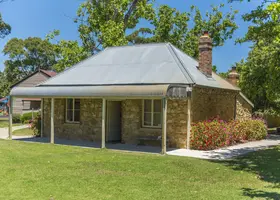
Buckingham House and Old Wanneroo Schoolhouse
Step into one of Wanneroo’s earliest family homes and the historic Wanneroo schoolhouse. Built between 1880–1890 by pastoralist John Buckingham, this limestone cottage and adjacent school tell the story of early settler life, farming, dairy and education in the growing district.
The site opened as a heritage homestead in 1985 and remains a beloved community landmark and excursion venue showing how families lived, worked and learned in the 19th century.
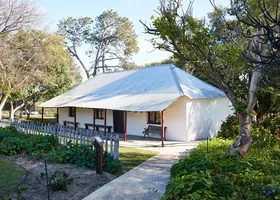
Cockman House
Discover Cockman House, the oldest surviving home in the Wanneroo area, completed in 1860 and lived in by three generations of the Cockman and Backshall families.
This beautifully preserved residence offers a vivid glimpse into colonial life from the early Swan River settlement through to the late 20th century, with stories of family, farming and community woven throughout. Open to visit on Sunday afternoons in autumn and spring
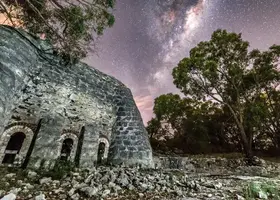
Coopers Lime Kilns
Coopers Lime Kilns are a rare and evocative reminder of Wanneroo’s once-thriving lime-burning industry. Established in c.1932 by the Cooper family during the Great Depression, the twin kilns were carved directly into the coastal rockface - an unusual and innovative design rarely seen in Western Australia.
Operated continuously over intense 2-3-day firings, the kilns employed local workers and assisted migrants, producing high-grade lime used in construction and gold extraction across the State. Now preserved as a coastal ruin within a public park, the kilns are valued for their weathered beauty, archaeological potential and strong associations with early Quinns Rocks families and WA literary figure Albert Facey, offering a powerful insight into industry, hardship and community on the northern coast.
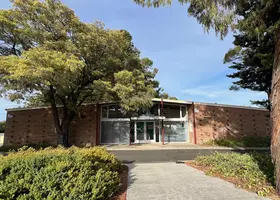
Enterprise House
Enterprise House, the former Wanneroo Road Board Office, is a cornerstone of local government and civic life. Opened in 1960 by Premier Sir David Brand, it was the first purpose-built office for the Wanneroo municipality and the venue of the first Shire of Wanneroo Council meeting in 1961.
Designed by renowned architects Oldham, Boas and Ednie-Brown, the building is a fine and largely intact example of post-war minimalist architecture.
Closely associated with the former War Memorial and Memorial Rose Garden, Enterprise House has long supported community services and organisations—and today it continues this civic role as the home of the Wanneroo Business Association, reflecting an enduring legacy of enterprise, service and community connection.
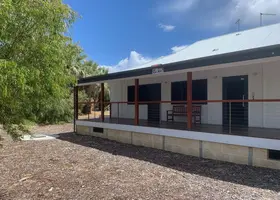
Mary Lindsay Homestead
Built in 1926 as part of the former Yanchep Estate, Mary Lindsay Homestead reflects inter-war rural settlement and later World War II activity, when the site was used by the military and for hosting service personnel.
While Mary Lindsay was a prominent and influential figure in the area’s early development, her legacy is mixed - marked by environmental practices now understood to be harmful and personal histories that continue to prompt debate.
Reconstructed in the late 2010s, the homestead has been re-imagined for contemporary use and today operates as an artist-in-residence studio and the home of TRYCAN, offering space for creative practice, skill-sharing and reflection.
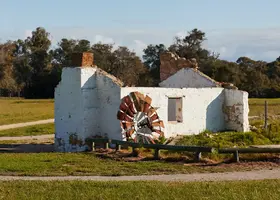
Perry’s Paddock
Named after racehorse breeder John (Jack) Perry, Perry’s Paddock was once the vibrant site of picnic race days and community gatherings. Ruins of his homestead and stables evoke a lively era of rural sport and social life, and a unique augmented reality trail brings the paddock’s past energy back to life.
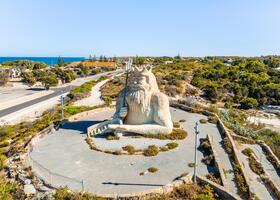
Sun City Precinct and King Neptune Statue
The Sun City Precinct at Two Rocks captures one of Western Australia’s most ambitious coastal visions. Developed in the 1970s by entrepreneur Alan Bond as part of the Yanchep Sun City project, the marina, shopping centre and limestone seawalls were designed as a bold leisure and tourism hub aligned with post-war expansion planning.
The precinct reflects the State’s familiar boom-and-bust cycle, rising with the optimism of the late 1970s and declining in the early 1990s.
The towering King Neptune statue, created in 1981 by sculptor Mark Le Buse, is the last surviving landmark of the former Atlantis Marine Park and remains a powerful symbol of community memory, local identity and a remarkable chapter in the City of Wanneroo’s modern history.
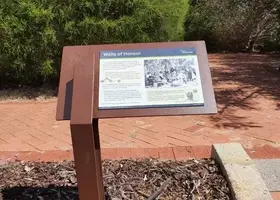
Walls of Honour
Located in Bert Togno Park, the Walls of Honour are a powerful place of recognition and remembrance celebrating the people who shaped the Wanneroo region. Created in 2003 by artist Judith Forrest, the artworks feature corten steel forms inspired by trees, with brass plaques naming local citizens whose lives and contributions are deeply rooted in place.
The three sections honour Pioneers, European settlers, and the Noongar people, acknowledging both early settlement and enduring Aboriginal custodianship.
Set within landscaped parkland named for dairy farmer and community figure Bert Togno, the Walls of Honour reflect Wanneroo’s shared history, cultural diversity and strong sense of community pride.
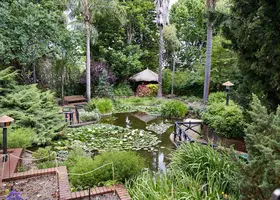
Wanneroo Botanic Gardens
Set on the shores of Lake Joondalup beside Yellagonga Regional Park, the Wanneroo Botanic Gardens has been a much-loved northern landmark since 1981.
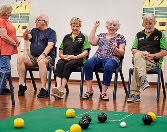
Created by Dutch-born landscape architect Theo Puik and his wife Hanneke, the gardens were transformed over seven years from sand and scrub into lush waterways and plantings, with more than 500 plant species established by hand. Now operated by the next generation, the gardens continue to delight hundreds of thousands of visitors each year through their unique landscape, mini-golf courses and the iconic Leapfrogs restaurant - combining vision, family enterprise and local pride.
Wanneroo Showgrounds
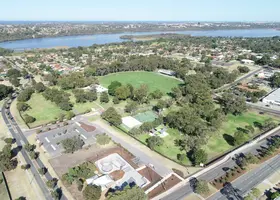
The Wanneroo Showgrounds are a living testament to the region’s agricultural and community spirit. Established for the Wanneroo Agricultural Show, following a resolution of the Wanneroo Road Board, the grounds have hosted generations of farmers, gardeners and families celebrating local produce, livestock and skills.
From early five-acre show paddocks to today’s expanded venue, the Show has endured fires, war years and growth—evolving into Western Australia’s largest regional agricultural show. Still in active use, the Showgrounds remain a vibrant centre for sport, events and community life in Wanneroo.
Wanneroo War Memorial
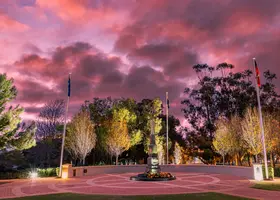
Erected in 1921 to honour nine local men who lost their lives in the First World War, the Wanneroo War Memorial is a powerful symbol of remembrance and community respect.
The stone obelisk has moved with the town centre over time - standing outside the school and post office, near the Road Board offices, and later the Civic Hall - before finding its permanent home in Memorial Park in 2005. Today, it remains a place of reflection, linking local sacrifice to national service and the evolving story of Wanneroo.
Yanchep National Park
Yanchep National Park takes its name from the Noongar word yanjidi or yanget, the bulrush harvested for food from its wetlands for thousands of years.
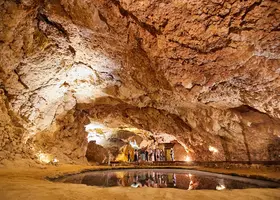
Explored by colonists in 1834 and settled from 1899, the area was set aside in 1905 for the protection of caves, flora and public recreation.
Major developments during the 1930s transformed it into a resort centred on Loch McNess, with historic buildings, later wartime use, and enduring natural features. Today, the park is renowned for its caves, native bushland, koalas and rich layers of Aboriginal and colonial history.
Yellagonga Regional Park
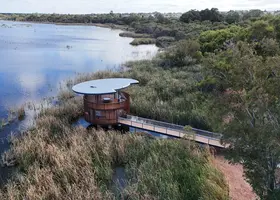
Yellagonga Regional Park was established in 1975 and officially named in 1990 in honour of the Whadjuk Noongar elder Yellagonga. Known as Mooro country, this landscape holds deep cultural significance as part of the Nyitting (Creation), with wetlands and lakes supporting Noongar families for thousands of years.
From the 1850s, early settler families established homes along the lake edges, shaping a shared cultural landscape. Today, the park protects rich wetlands, woodlands and wildlife, including Carnaby’s Cockatoos, while remaining a place of living heritage, nature and reflection.